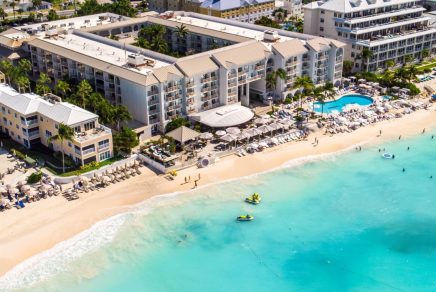
Fancy shoveling something other than snow next winter? Welcome to the Cayman Islands, where your shovel will only be useful for building sandcastles. The biggest danger? Never wanting to leave! If you’re itching to trade your beanie for a straw hat and your coffee for a rum cocktail, it’s time to book your date with the Caymans.
What is the Cayman Islands best known for?
For some, it’s a diving paradise; for others, it’s all about the beaches. It’s also the legendary hospitality that makes all the difference! The archipelago’s reputation also rests on its famous sea turtles. These creatures are so deeply rooted in the local identity that they appear on both the flag and the currency. Historically, the islands were such a haven for turtles that early explorers claimed you could almost cross the water by walking on their shells. Legend doesn’t say if they’d perhaps indulged in a bit too much rum… Today, conservation efforts mean that spotting a turtle during a boat trip is almost guaranteed.
Beyond that, it’s the “Caymankind” spirit that defines the islands. It’s that unique blend of British politeness and Caribbean warmth that makes you feel safe and welcome everywhere. It is the perfect destination for those who love sun and luxury… without the pretense.
Preparing your trip to the Cayman Islands
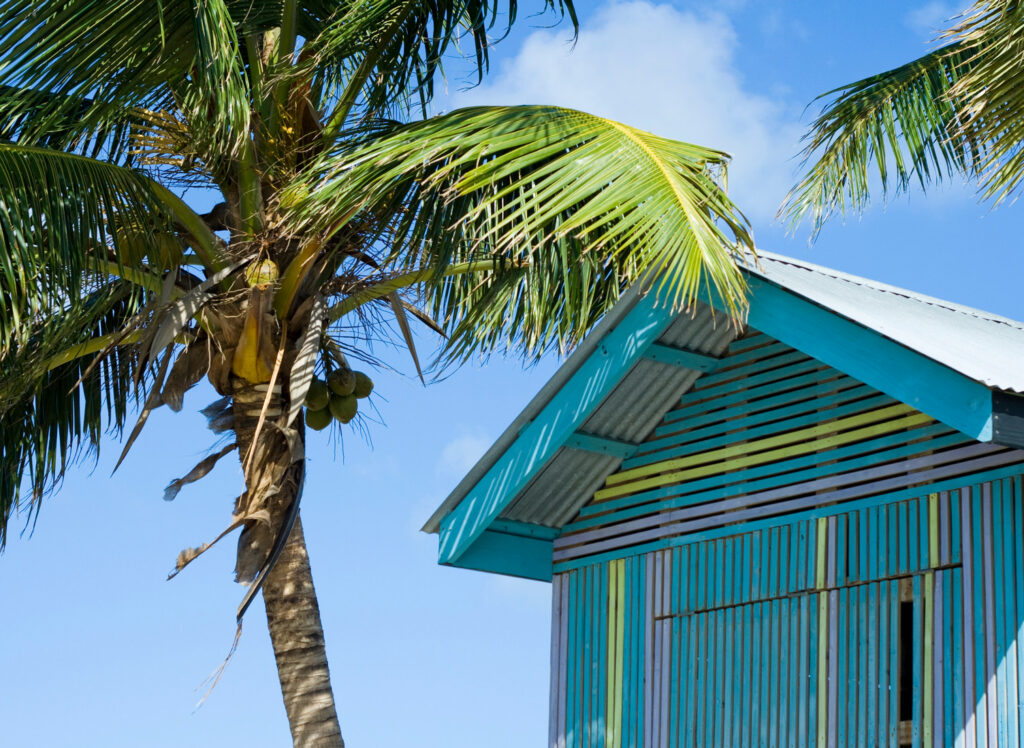
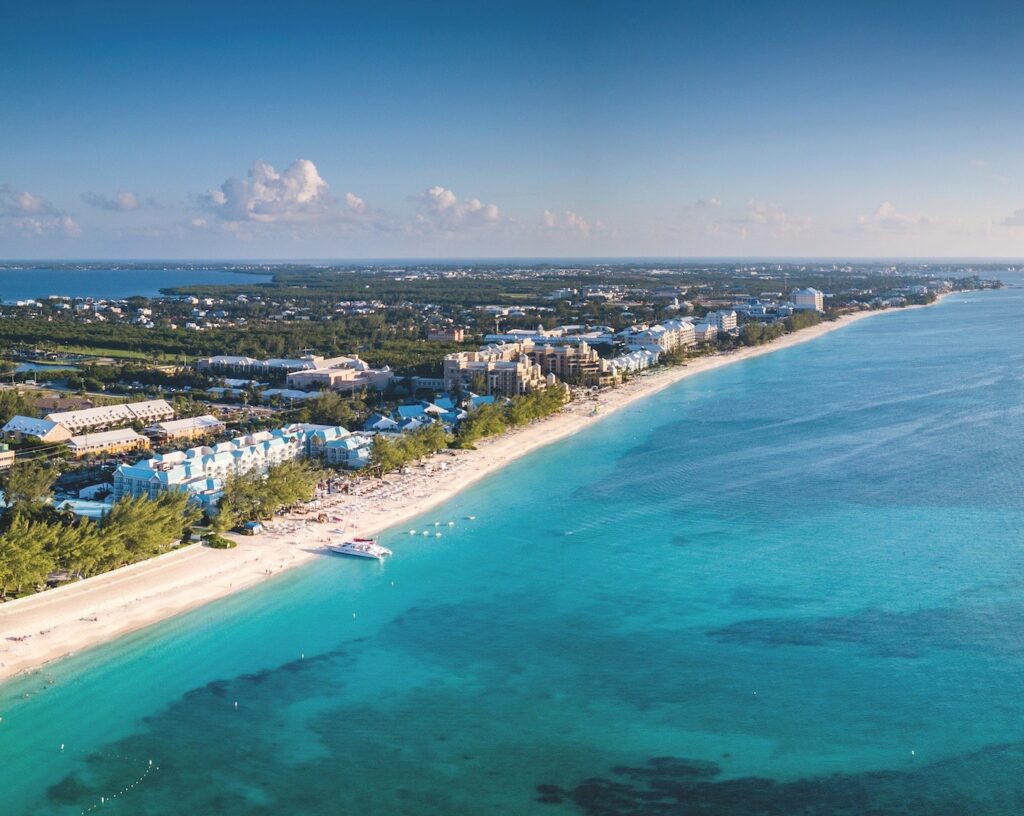
The Cayman Islands archipelago is located in the Caribbean Sea, about 240 km between Cuba and Jamaica. It is composed of three distinct islands.
What to see in the Cayman Islands?
- Grand Cayman: The largest and most developed island, home to the capital, George Town, as well as the majority of hotels and cruise ships. This is the go-to destination to be in the heart of the action.
- Cayman Brac: The hideaway for active souls. With its imposing limestone bluff, it is a magnificent natural playground for hiking and rock climbing.
- Little Cayman: If you really want to disappear off the map, this is it! It’s the least populated island, where iguanas actually outnumber the locals.
Practicalities
- Transportation: The best way to get around is to rent a car, but remember that this former British territory drives on the left side of the road. If that stresses you out, the public buses (small vans identified by colors) are very efficient and inexpensive.
- Currency: The Cayman Islands Dollar (KYD) is the official currency. The US Dollar is accepted everywhere, but keep an eye on the fixed exchange rate, which can influence your conversion calculations.
- Climate: Aim for the December to April window, with temperatures between 25-30°C. Avoid September and October—the heart of hurricane season—to guarantee a hassle-free, sun-drenched stay.
- Safety: The archipelago is considered one of the safest destinations in the Caribbean. Its very low crime rate allows you to explore without worry, day or night.
Sustainable tourism
The archipelago rigorously protects its ecosystems. To respect this sanctuary, prioritize mineral sunscreens, never take coral or shells, and limit your plastic use. Here, we leave nothing behind but footprints in the white sand.
What should I not miss in Grand Cayman: 7 Mile Beach!
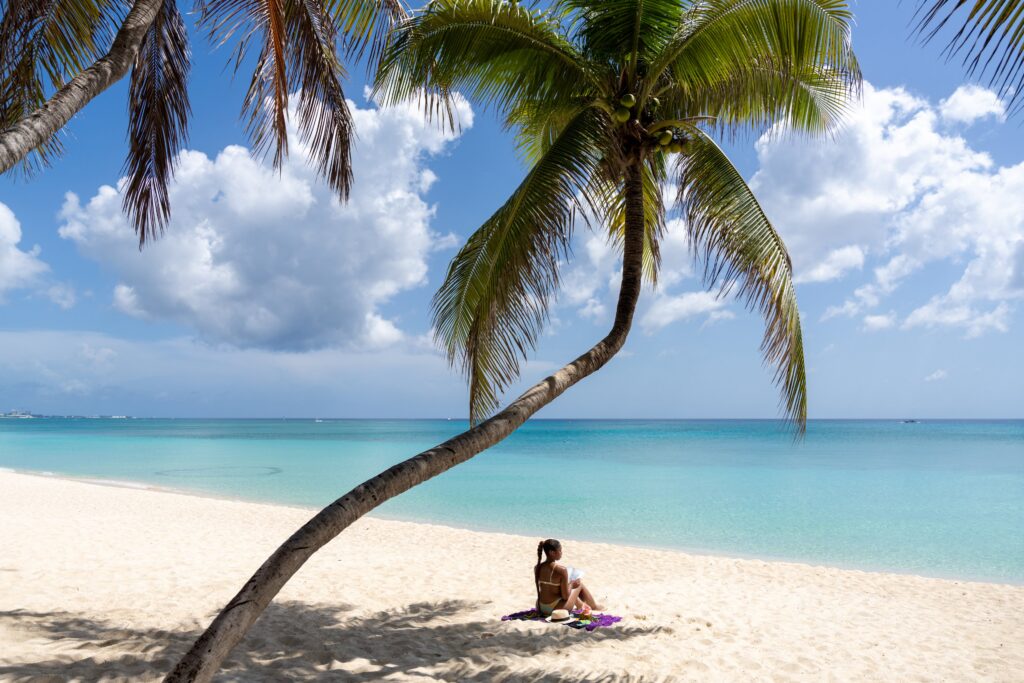
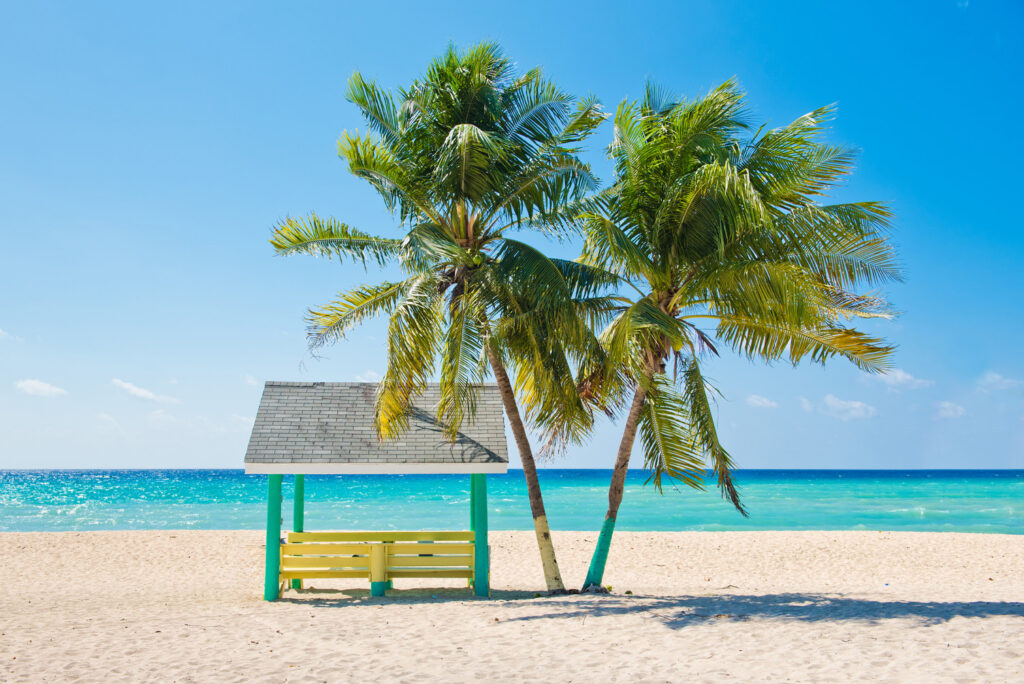
If there is one white sand beach that deserves every superlative, this is it. Located on the west coast of Grand Cayman, Seven Mile Beach is regularly crowned among the most beautiful in the world. The truth? It’s not quite seven miles long (more like five and a half), but we aren’t going to make a fuss when our feet are in water this translucent. The absence of strong currents makes it a massive, safe natural pool for family swimming.
More beautiful beaches in the Caymans
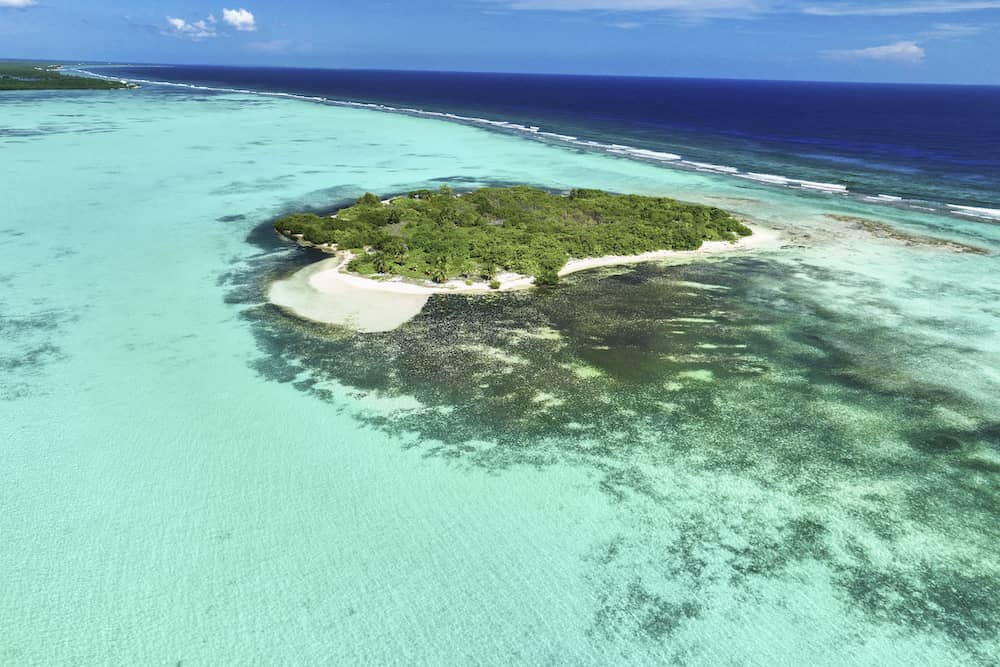
- Owen Island (Little Cayman): An uninhabited islet, accessible only by kayak. It offers breathtaking views of the lagoon. The ultimate escape!
- Point of Sand (Little Cayman): At the deserted tip of the most secret island, the sand takes on a pinkish hue under the bright light. It’s the luxury of absolute solitude, where you swim alone in water so clear it feels surreal.
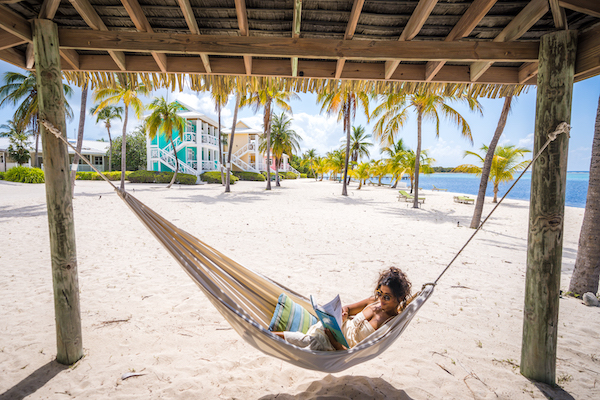
- Rum Point (Grand Cayman): A timeless refuge, paced by the swaying of hammocks under Casuarina pines. Between the wooden piers and shallow waters, people come here to slow down, drink in hand, in a relaxed private club atmosphere.
- Smith Cove (Grand Cayman): An authentic cove nestled between limestone rocks, offering one of the best accessible snorkeling spots.
Visiting Cayman Spirits Co.
Spirit-loving travelers already know that Grand Cayman is home to its own artisanal distillery. Cayman Spirits Co., founded in 2016 and easily accessible from George Town, produces rum and gin directly on the island using traditional methods that honor Caribbean heritage. A guided tour of the facilities will walk you through the distillation process from A to Z, from raw materials to bottling. This includes, of course, a tasting of the Seven Fathoms Rum—aged under the ocean waves in barrels submerged 14 meters deep!
Stargazing at Starfish Point
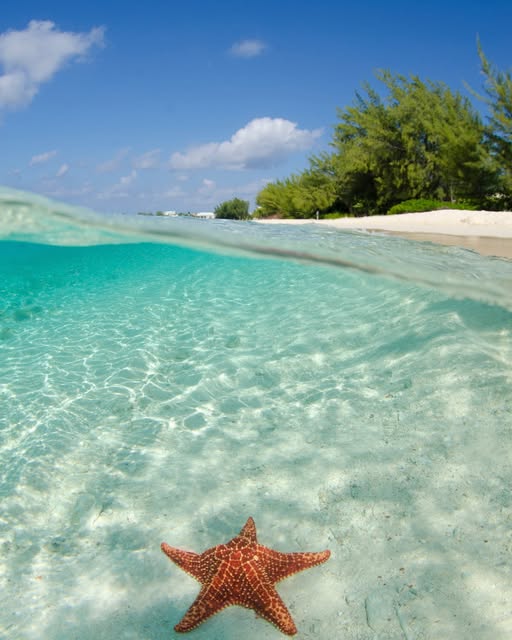
For an original outing, head to the north of the island. Starfish Point is a quiet stretch of land where starfish have decided to settle permanently. The shallow waters allow you to walk among these fascinating creatures. However, a friendly reminder: avoid taking the starfish out of the water. They need to stay submerged to breathe. Skip the selfie and admire them instead by floating gently above this “starry” sea. It’s the best way to keep them healthy!
Walking through history in George Town
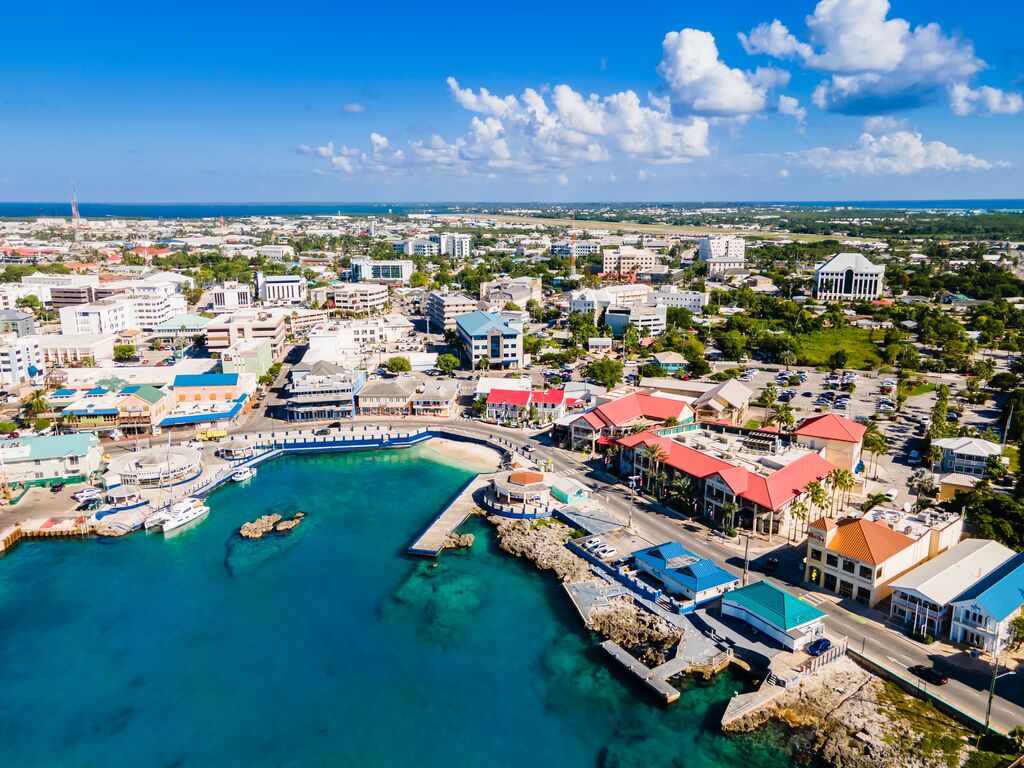
The capital, George Town, is a must-visit to understand the archipelago’s identity. It’s a charming city where colonial architecture stands alongside modern offices (and billionaire banks!).
- Stroll through the streets to admire the colorful buildings.
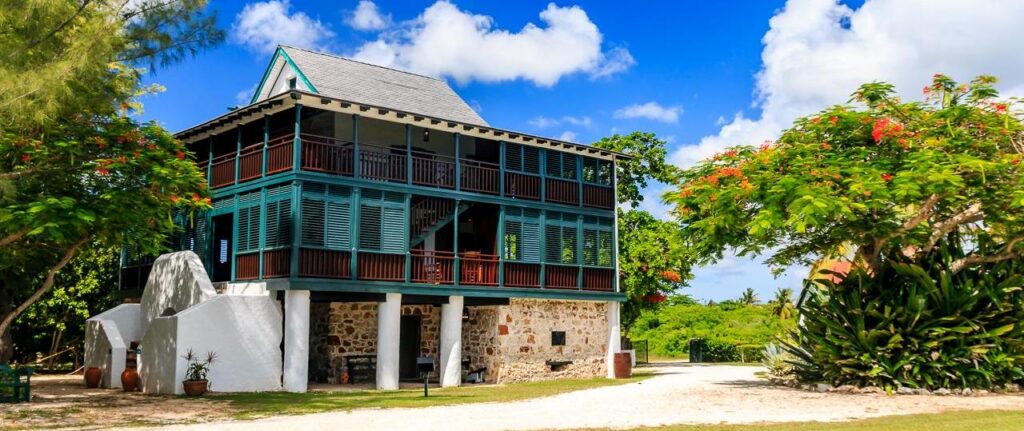
- Stop at the National Museum, a little gem located in one of the country’s oldest buildings. You’ll learn how people lived long before the arrival of tourists and air conditioning.
- It is also the recommended spot for some window shopping in the duty-free boutiques to fill your suitcases with souvenirs.
Exploring the mysterious Crystal Caves
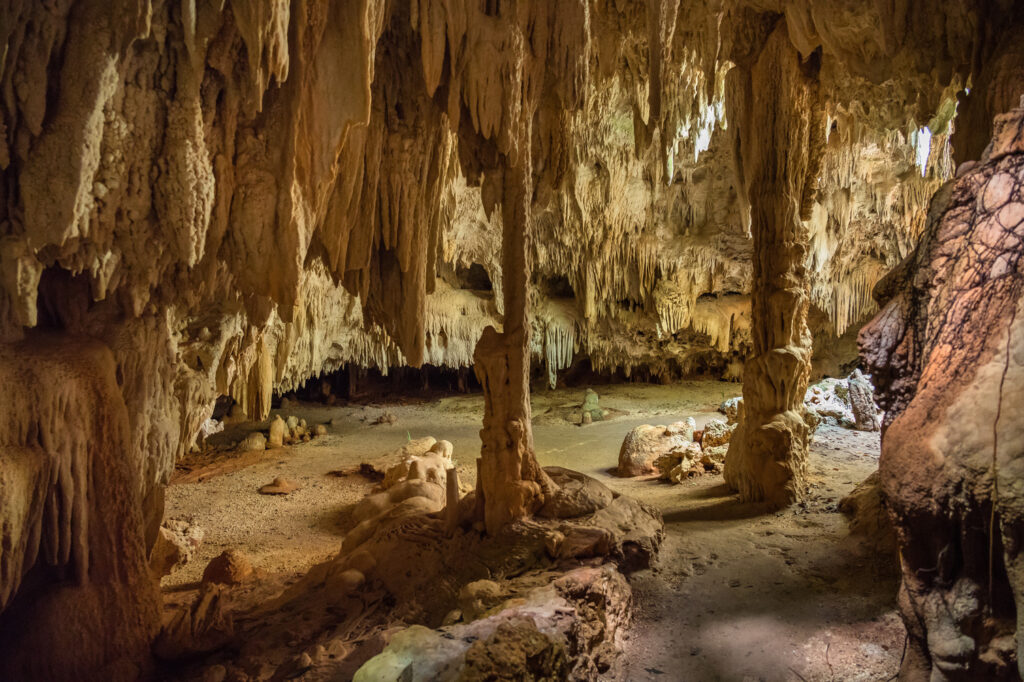
If you’ve had enough of the sun (is that even possible?), head underground. Located in a lush tropical forest, Cayman Crystal Caves are limestone caverns filled with impressive stalactites and stalagmites. With a guide, you’ll explore natural chambers where you’ll feel like a character in an adventure movie. It’s cool, beautiful, and a great change of pace from the beach. You’ll even find an underground lake with bewilderingly clear water.
Going to “Hell” in West Bay
You read that right. In the West Bay district, there is a place named Hell. It’s a field of sharp, black rock formations that look quite diabolical, giving the impression of having landed in an entirely different world. The main draw is the little red post office. Why? Because you can send your loved ones a postcard postmarked from “Hell.” It’s a quick, quirky activity and a true must-do for the souvenir photo.
Fun activities with kids: Observing turtles at the Cayman Turtle Centre
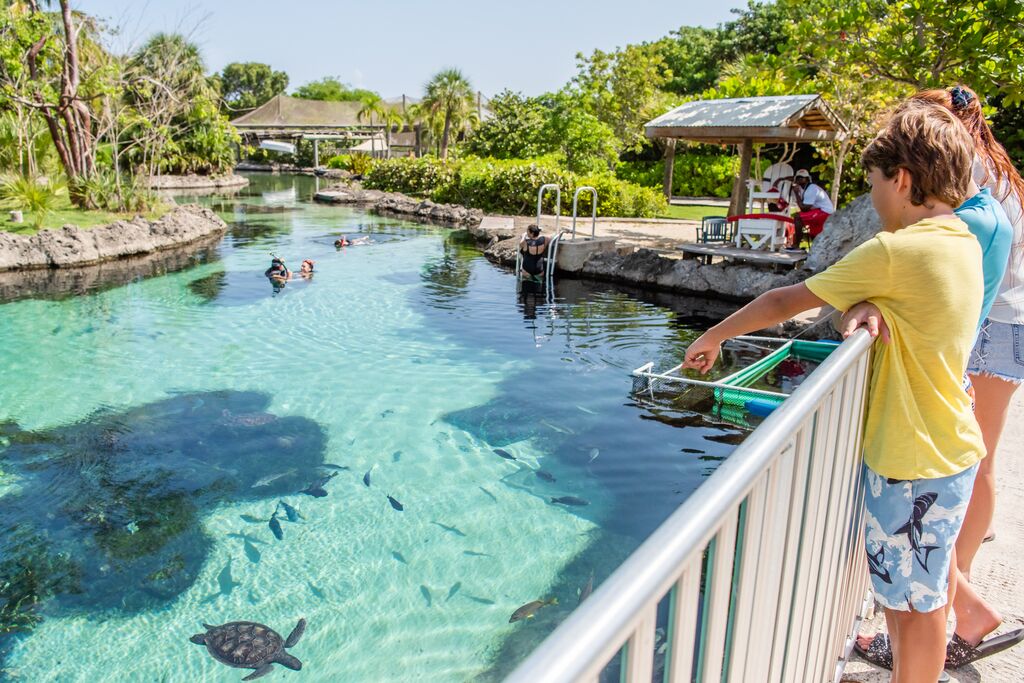
Head to the Cayman Turtle Centre in West Bay to responsibly observe sea turtles of all sizes, from newborns to giants weighing several hundred pounds. Far from being a tourist trap, the center plays a crucial role in species preservation. You can learn about their life cycle and even witness the release of hatchlings on the beach depending on the season. It’s an educational activity that appeals to children and adults alike.
Hiking the Bluff on Cayman Brac
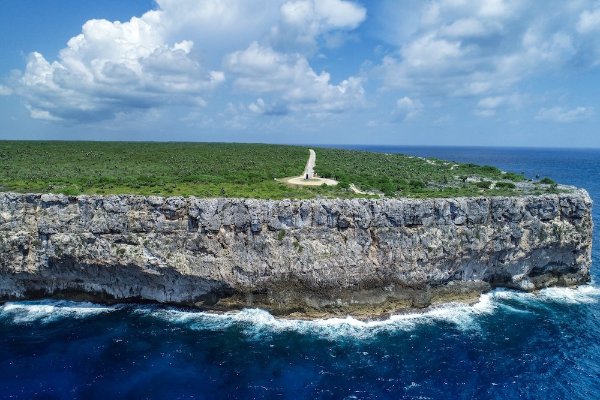
If you feel like being more active, a trip to Cayman Brac is an excellent idea. The island is dominated by “The Bluff,” a 42-meter-high limestone cliff that offers stunning views of the Caribbean Sea. Travelers will find numerous hiking trails winding through the vegetation leading to caves (170 have been mapped!). Legend says pirate treasures are still hidden in these caverns… Who knows what you might find? It’s a striking contrast to the flat terrain of Grand Cayman and a perfect way to discover a wilder, more authentic side of the archipelago.
Exploring the town of Camana Bay
For a chic day out, head to Camana Bay. It’s a beautiful new town with canals, high-end boutiques, and numerous restaurants. Enjoy an alfresco lunch before taking a stroll to the Observation Tower, which offers 360-degree views of the entire island. The mosaics inside are a work of art representing the coral reefs.
Diving Bloody Bay Wall in Little Cayman
For scuba diving or advanced snorkeling, Little Cayman is the Holy Grail. Bloody Bay Wall is one of the most spectacular sites in the world! It is a coral wall that drops vertically for over 2,000 meters. Visibility is often incredible, and you’ll spot an unexpected level of biodiversity, from sailfin blennies to arrow crabs and splendid corals.
Getting into Nature at Queen Elizabeth II Royal Botanic Park
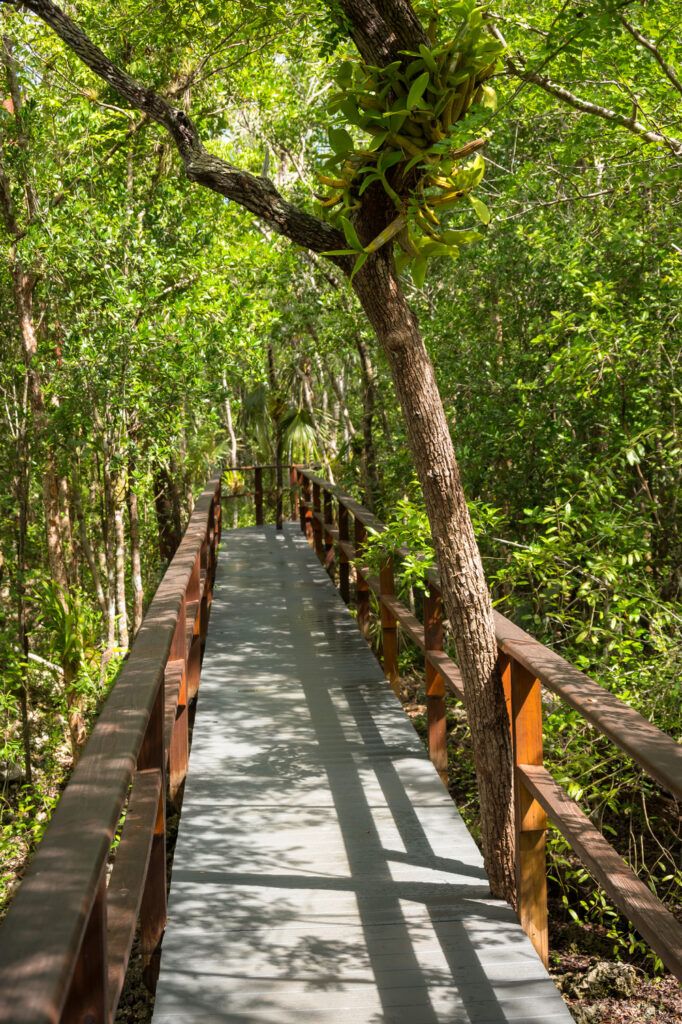
Much more than just a garden, this 65-acre sanctuary reveals the raw botanical richness of the archipelago. Between the wooded trails and colorful themed gardens, this is where the ecological heart of the Cayman Islands beats. The park is most famous for its Blue Iguana conservation program—a species unique in the world that you might spot at a bend in the path, motionless under the tropical sun. It is a mandatory stop to capture the terrestrial soul of the island, far from the hustle and bustle of the beaches. It is located on Grand Cayman in the North Side sector, about a 45-minute drive from the Seven Mile Beach area.
All photo credits: visitcaymanislands.com
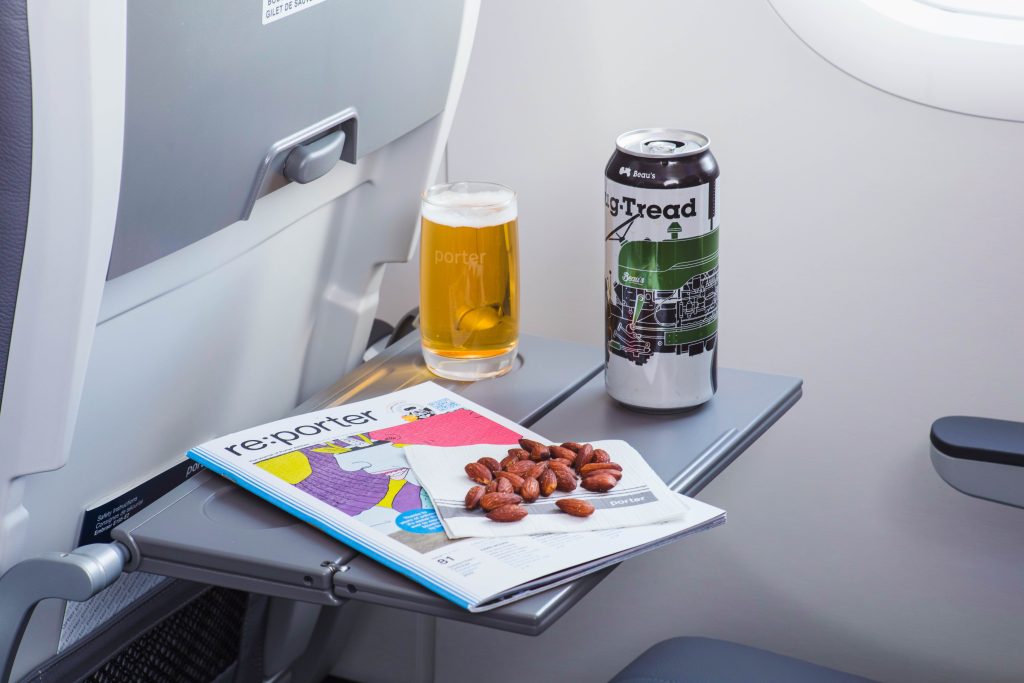

More options with Porter Airlines, the same Transat experience 🌴
Flights for these packages will be operated by Porter, while all other package inclusions will be managed by Transat.
- Round‑trip flights with Porter Airlines — named North America’s Best Regional Airline by Skytrax
- No middle seats, ever
- Complimentary premium snacks plus beer and wine onboard
- Free Wi‑Fi throughout your flight (on select Embraer E195‑E2 aircraft)
- Seamless round‑trip transfers between the airport and your hotel
- All hotel taxes and service fees included
- Accommodation for your selected travel dates