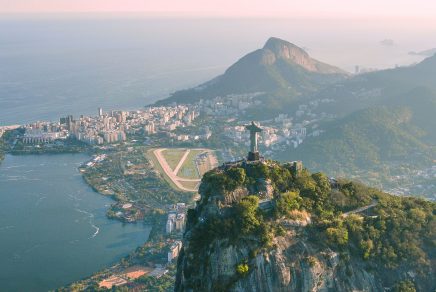
Brazil is known for the buzz of its carnival, the unique landscapes of Rio de Janeiro, and an energy that seems boundless. After a few days caught up in the city’s fast pace, intensity, and contrasts, I wanted to slow down. I was looking to trade bustling streets for the sound of crashing waves, and long days of exploring for hours spent with my feet in the sand reading a good book. To truly slow down. And that is exactly what I found in Armação dos Búzios (which everyone simply calls Búzios).
This former fishing village, about three hours from Rio, has become one of Brazil’s most alluring seaside resorts. To me, it felt like a pause. A place where I didn’t have to chase after anything.
At least, that was the impression it left on me when I visited.
Armação dos Búzios and the charm of the Brigitte Bardot era
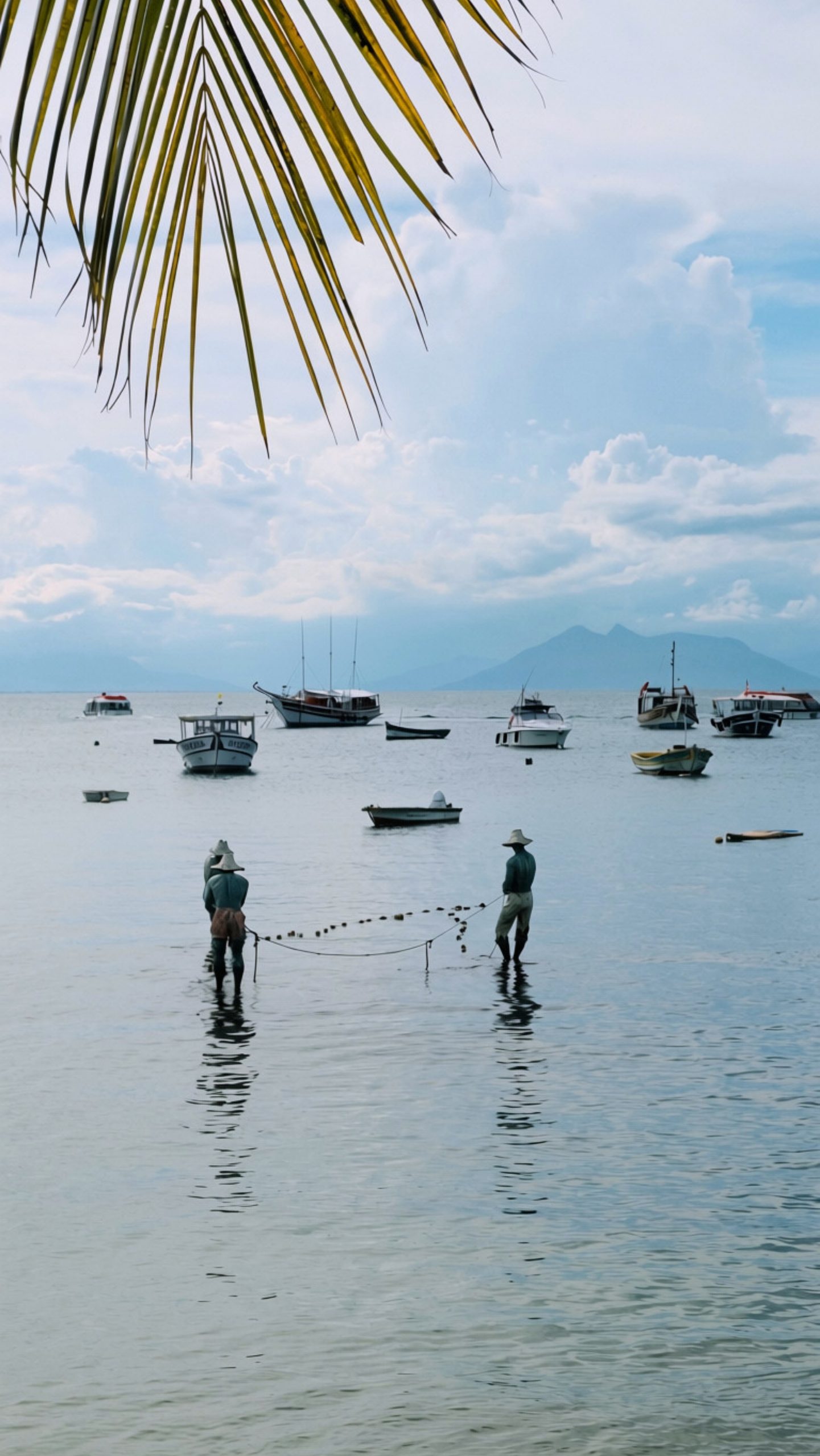
Before becoming a sought-after beach destination, Armação dos Búzios was a modest fishing village. Its destiny shifted in 1964 when Brigitte Bardot vacationed there.
Quickly captivated by the beach-fringed peninsula, its preserved charm, and the turquoise waters of its coves, the French actress helped—almost inadvertently—put Búzios on Brazil’s tourism map.
A bronze statue pays tribute to her on the seafront, along the Orla Bardot. It’s no coincidence that the region is now dubbed the Saint-Tropez of Brazil.
Slowing down—really slowing down
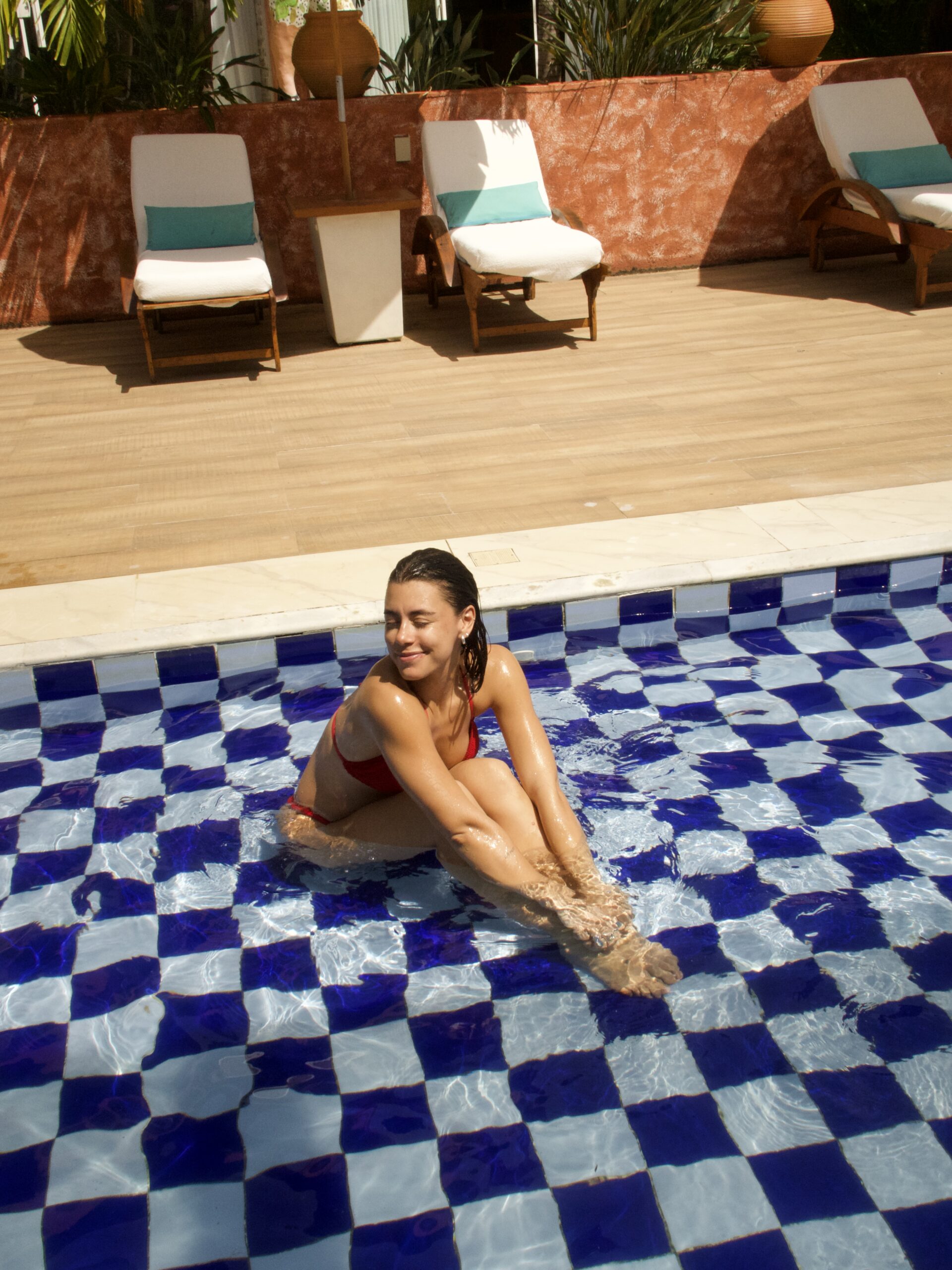
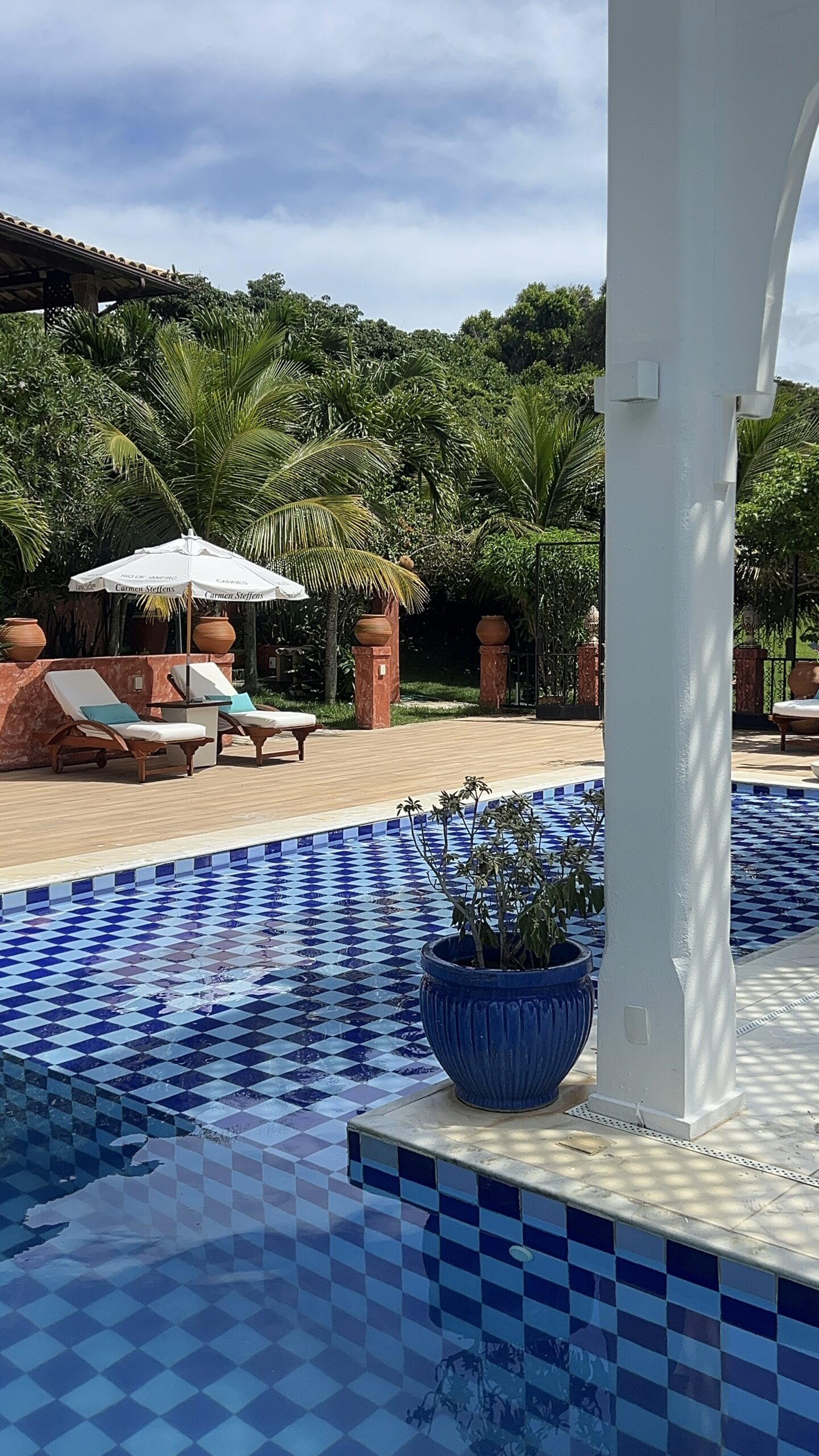
While I love the electricity of big cities, their buzz, and the feeling that something is always happening somewhere… I admit that after a few days in Rio de Janeiro, my nervous system was happy to rest.
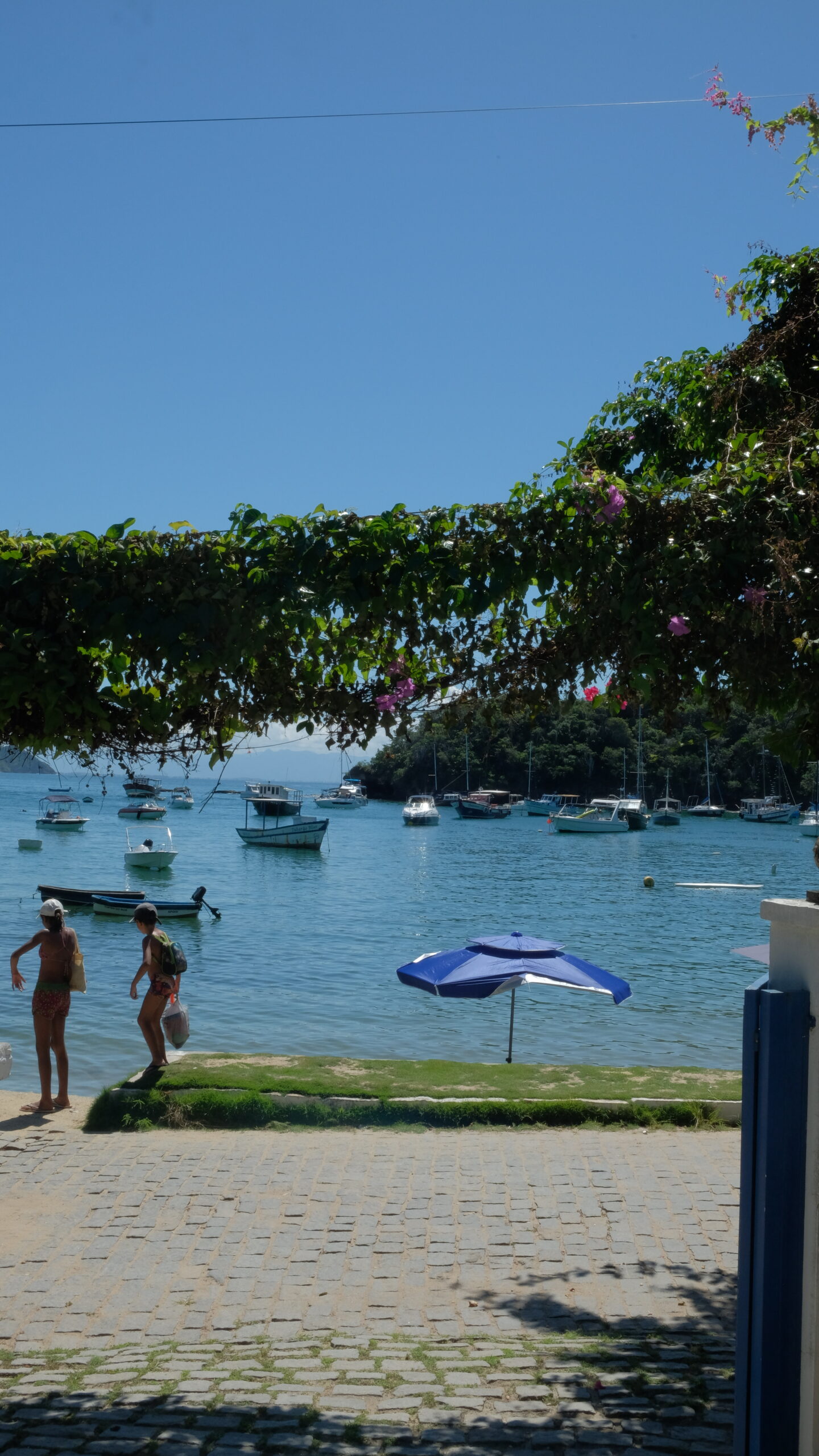
Here in Búzios, the itinerary can be as simple as: having a leisurely breakfast, walking to one of the 23 main beaches, going for a swim, reading a few pages, and grabbing a drink at sunset. Then repeating it all the next day.
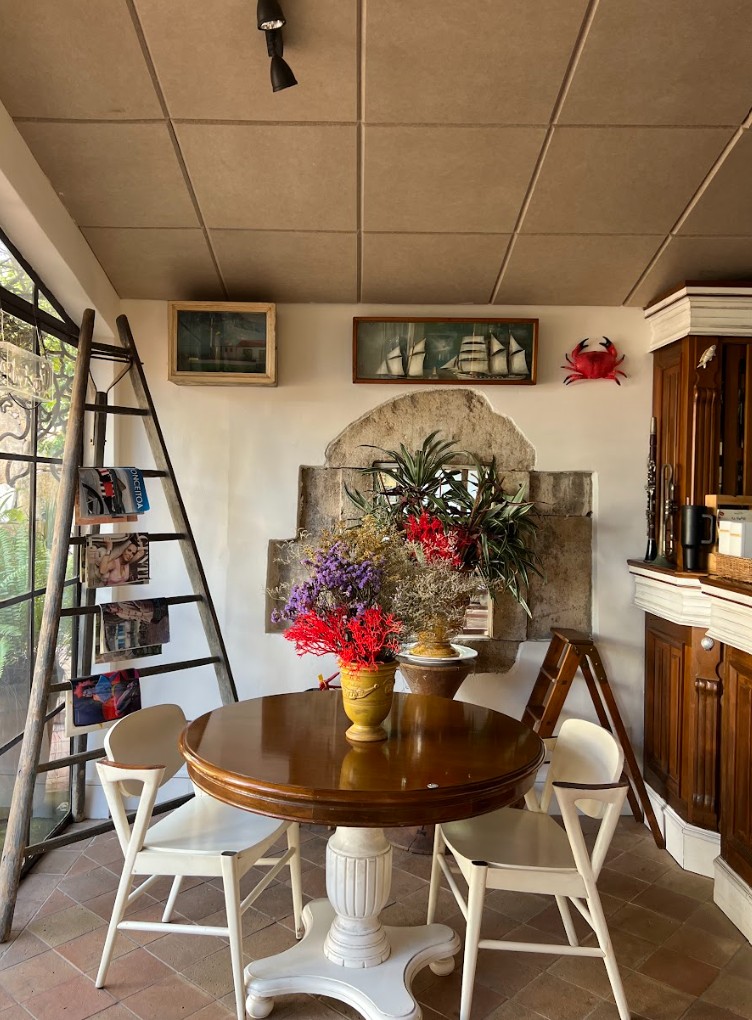
I unpacked my bags at the Vila da Santa Hotel Boutique & Spa, a boutique hotel featuring warm architecture and soft Mediterranean influences. The hotel is located right next to Praça dos Ossos beach and has a private setup that lets you fully enjoy the seaside.
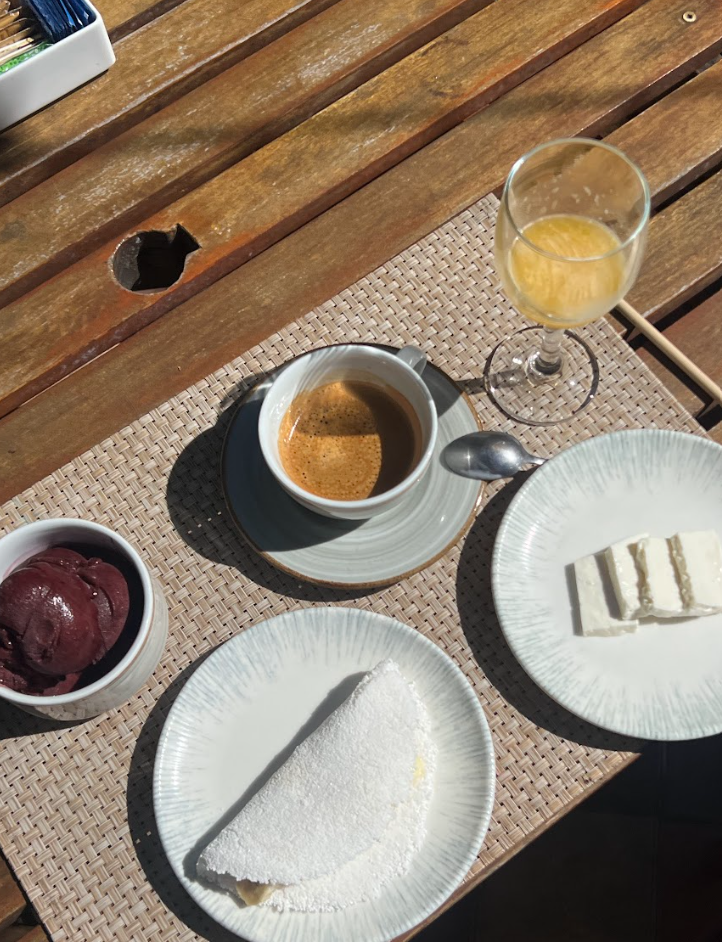
Special mention goes to the breakfast, which makes you linger around the table a little longer than planned. But that’s okay—we’re on vacation! By the way, I highly encourage trying the tapioca crepes if you spot them on a menu.
Right across the street, Hotel La Chimère offers a beautiful alternative, while Hotel Pedra da Laguna will delight architecture enthusiasts who swoon over images in Architectural Digest.
What to see and do in Búzios?
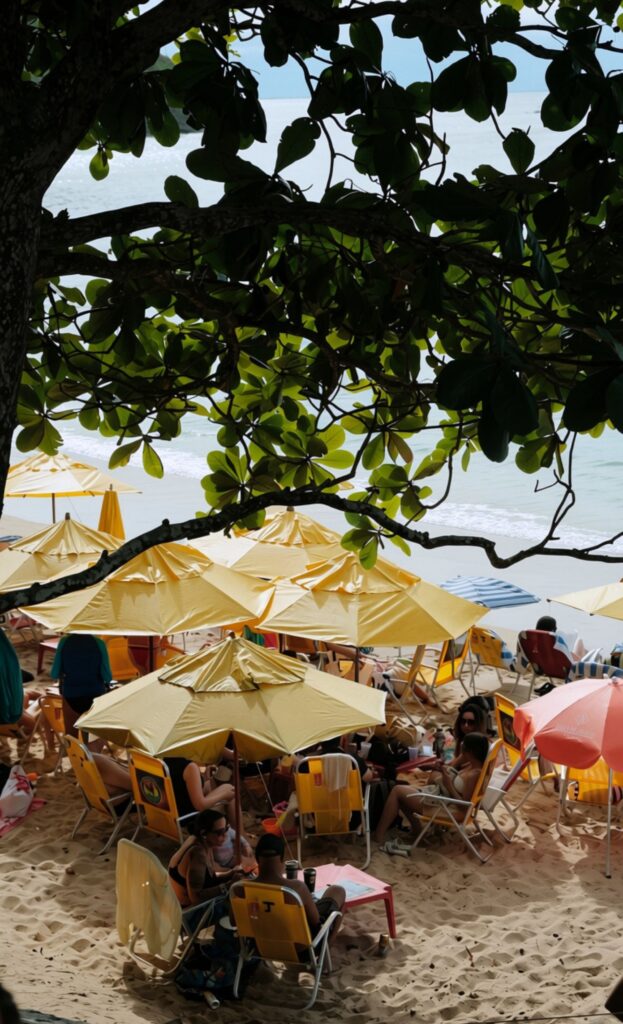
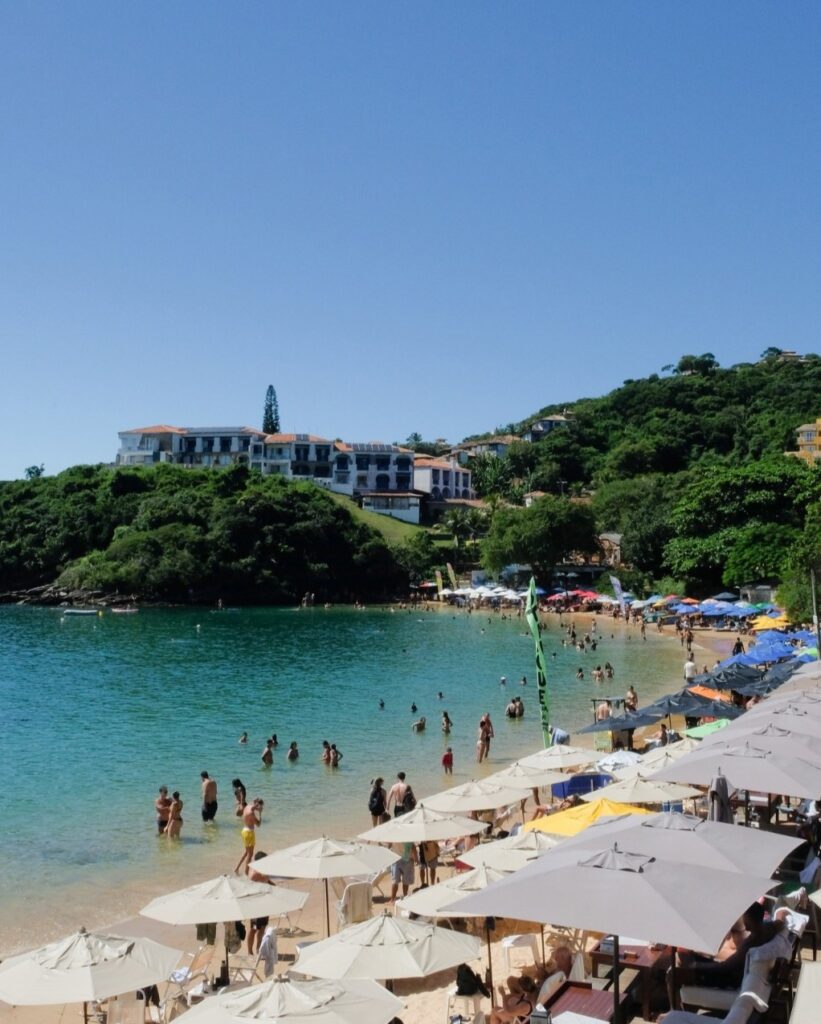
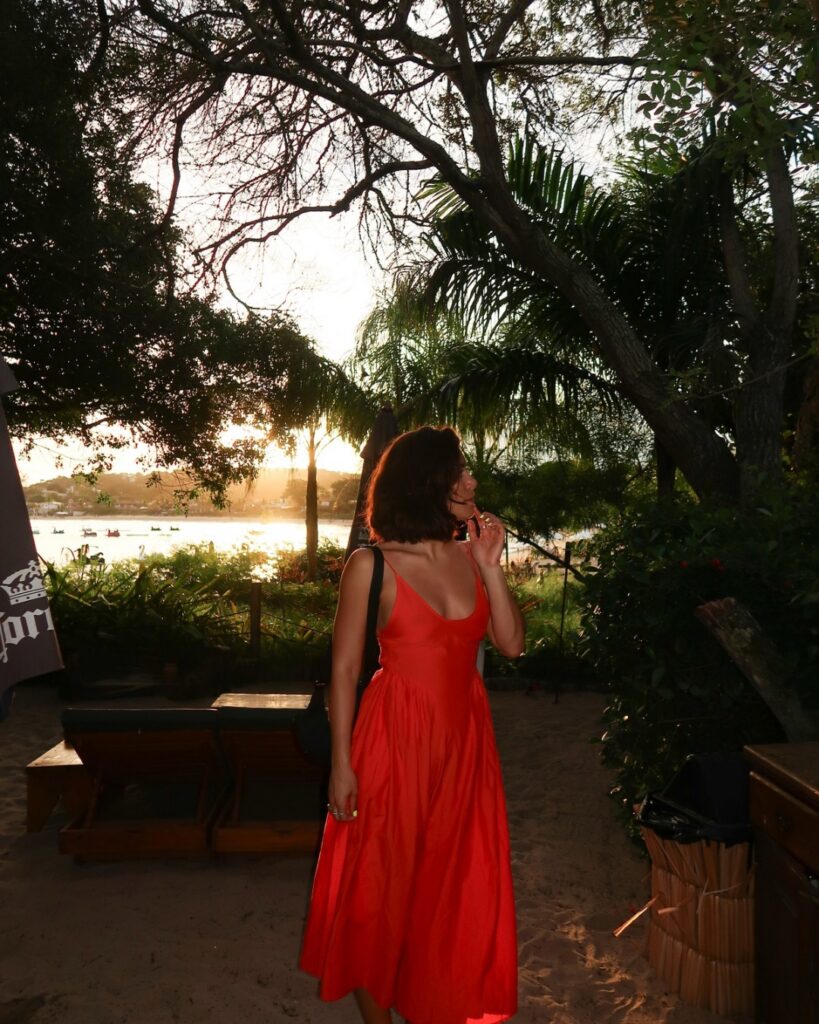
If the urge to move finally strikes (or if you’re traveling with a hyperactive companion), getting bored here is impossible.
Enjoying the sea and beaches from every angle
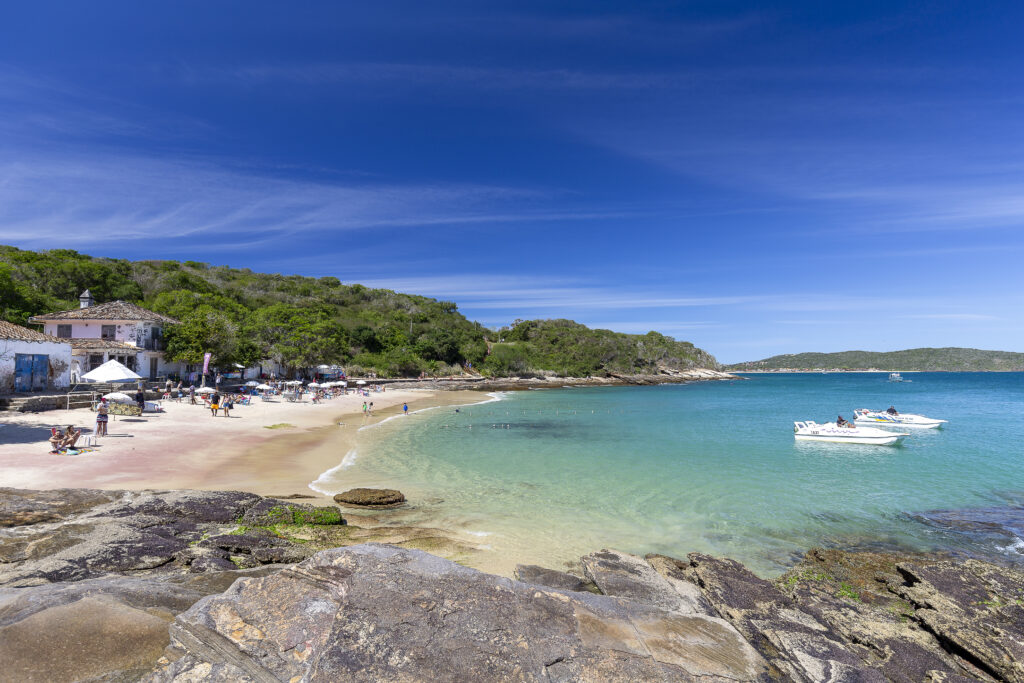
Want to go snorkeling? Head to Azeda and Azedinha, two small beaches with crystal-clear waters where snorkelers might spot sea turtles.
Looking for waves instead of calm waters? Make your way to Geribá. It is one of the top surfing spots in Búzios, while Manguinhos and Rasa are ideal for kitesurfing and windsurfing.
A dedicated beachgoer? Brava Beach is said to be one of the most beautiful on the peninsula. João Fernandes Beach is recommended for ending your day with your toes in the sand as the sun quietly dips below the horizon.
For those wanting to step slightly out of their comfort zone, I recommend Olho de Boi beach. Hidden at the end of a trail from Praia Brava, this small naturist beach is one of Búzios’ best-kept secrets. The scenery is wild, the vibe is fairly quiet, and yes, you leave your swimsuit in your bag.
What about hiking? The Ferradurinha trail is a fantastic way to discover another side of the peninsula. Stretching for about 3.5 kilometers, the path winds through rock formations and several small natural pools that appear at low tide. Then there is Pedra do Guardião (Guardian Stone), an imposing rock formation that looks as though it is watching over the coast.
Along the way, you will come across Praia dos Amores (Lovers’ Beach), featuring light sand, transparent waters, and lush vegetation draping the cliffs.
In my opinion, it is the most beautiful beach in Búzios. There, I said it.
Rua das Pedras
In the evening, Rua das Pedras becomes the beating heart of Búzios. You will find restaurants, boutiques, bars, and that distinct energy unique to beach towns once the heat of the day finally begins to break.
This is where I discovered FARM Rio, a Brazilian brand instantly recognizable by its colorful prints and joyful silhouettes. I wish I had more room in my suitcase to bring back one of their dresses.
And a new pair of Havaianas, obviously.
A taste of Brazil
It’s impossible to talk about the country without mentioning what ends up on our plates.
n Brazil, I developed a true obsession with pão de queijo, those little cheese breads that are slightly crispy on the outside and soft on the inside. They are simple, comforting, and dangerously easy to eat one after another.
Here are my top spots in the Búzios area:
- Here, seafood is naturally the star of the show. I particularly enjoyed La Gare, at Vila da Santa, where the food lived up to the stunning decor.
- For a meal with a view, Belli Belli Gastrobar is a great choice: the spot is perfectly suited for those long lunches that start on time but finish much later.
- I have excellent memories of my açaí at Açaí do Forte. Probably one of the best I had during my trip.
- And if you’re craving an easy-to-find classic, Oakberry Açaí on Rua das Pedras is another solid option. It features a self-serve setup where I honestly went overboard on the amount of sweetened condensed milk added to my açaí.
I wish I spoke Portuguese and more practical tips
One thing I wish I had known before I left: don’t necessarily count on Spanish to get by in Brazil.
Brazilian Portuguese is a language of its own, and while a few words of Spanish can sometimes help, it is not a strategy I would rely on. English isn’t spoken everywhere either, especially in small shops or certain regional restaurants, including in Búzios.
You don’t need to become bilingual before you leave. But learning a few basic phrases makes a real difference:
- Bom dia to say good morning
- Obrigada to say thank you
- Por favor to ask politely
- Quanto custa? to ask for the price
Besides, making the effort to speak a few words of Portuguese is a great way to connect with the local culture. The locals will appreciate the intention and won’t mind your conjugation or your accent!


Fly to and from Brazil with the World’s Best
It’s no wonder Air Transat has been named the World’s Best Leisure Airline by Skytrax eight times. We’ve perfected the “little things” so you can focus on the journey ahead… And it’s always about the little things, isn’t it?
- Your carry-on is always included
- Enjoy one complimentary meal service paired with your choice of fine red or white wine, as well as a fun snack before landing
- Experience the warmth of our signature attentive and efficient service
- Relax in the spacious cabins of our all-Airbus fleet