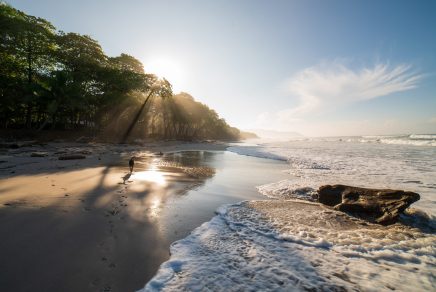
Imagine spending one week hiking around a majestic volcano, relaxing on a jungle-fringed beach, kayaking through waterways filled with sea turtles, and falling asleep to the sounds of the rainforest. Welcome to Costa Rica, one of the world’s most captivating destinations for anyone craving adventure, wide-open spaces, and a true connection with nature.
What makes Costa Rica so extraordinary? Despite its small size, it is home to nearly 6% of the planet’s biodiversity. Colorful toucans, sloths, sea turtles, lush rainforests, dramatic waterfalls, and breathtaking landscapes can be found across the country, making it a dream destination for nature lovers.
Why is sustainability so important in Costa Rica?
Because here, protecting nature isn’t a trend—it’s a way of life.
For decades, Costa Rica has invested heavily in conservation and embraced a model of responsible tourism that benefits both local communities and natural ecosystems.
The results are visible everywhere: remarkably well-preserved landscapes, abundant wildlife, and countless opportunities to experience Costa Rica in a meaningful way. Eco-tourism in Costa Rica encourages you to slow down, venture beyond the usual tourist trail, and fully embrace the country’s famous pura vida lifestyle. 🌿🇨🇷
Explore national parks and tropical rainforests
With nearly 30 protected national parks packed into a relatively small territory, Costa Rica has become a global model for eco-tourism.
Some must-see highlights include:
- Arenal Volcano National Park: Dominated by one of Costa Rica’s most iconic volcanoes, this park combines ancient lava fields, tropical rainforest, and famous hot springs. The surrounding Lake Arenal region is also known as the country’s windsurfing capital.
- Manuel Antonio National Park: Located along the central Pacific coast, this spectacular park blends lush rainforest, white-sand beaches, and abundant wildlife. Sloths, capuchin monkeys, and toucans are frequent visitors, and few places make it easier to transition from jungle trails to swimming in turquoise waters. 🌴🏖️
- Tortuguero National Park: Often called the “Amazon of Costa Rica,” Tortuguero is famous for its network of wild canals and its vital role in protecting nesting sea turtles.
- Corcovado National Park: Situated on the Osa Peninsula, this natural treasure boasts one of the highest concentrations of biodiversity on Earth. Scarlet macaws, tapirs, and pristine primary rainforest make it one of the country’s premier wildlife-viewing destinations. Its remote beaches only add to the experience. 🌊🦜
- Rincón de la Vieja National Park: A landscape shaped by volcanic activity, featuring steaming fumaroles, bubbling mud pots, waterfalls, and forests linked by scenic hiking trails.
These protected areas play a critical role in preserving Costa Rica’s ecosystems and showcase the country’s long-standing commitment to responsible tourism.
Observe wildlife in its natural habitat
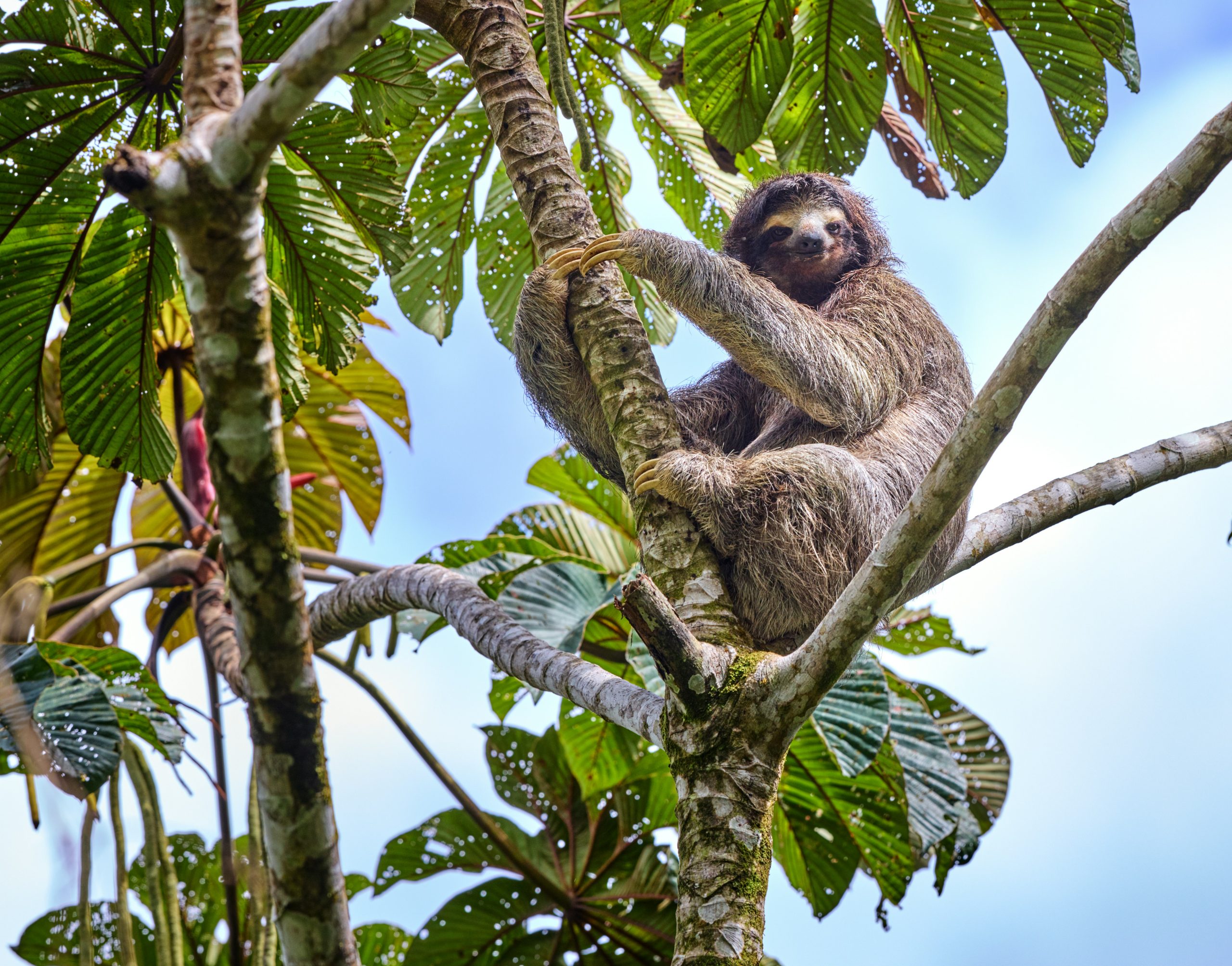
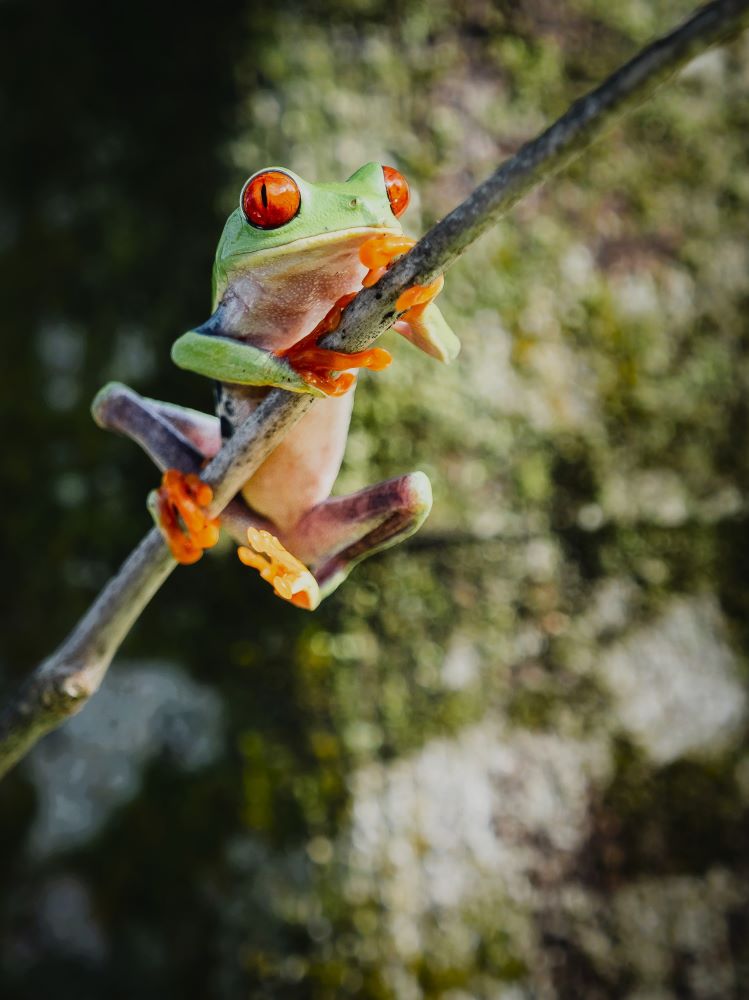
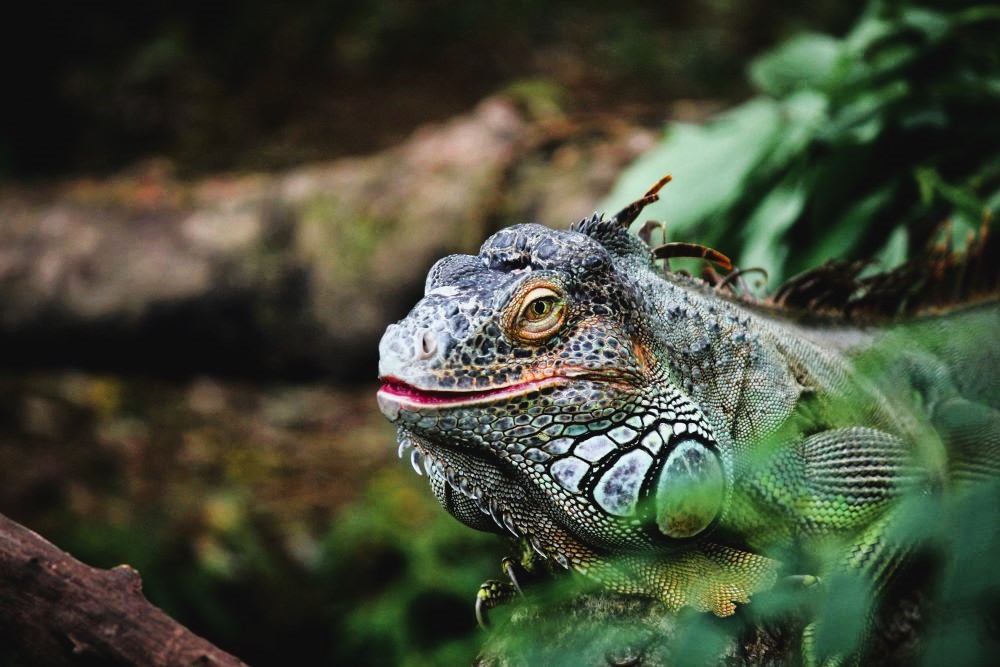
Prepare to spend plenty of time looking up.
In Costa Rica, wildlife is everywhere.
One morning, a sloth may be hanging directly above you. Later that day, a howler monkey might steal the spotlight, or a scarlet macaw could soar overhead.
With more than 900 bird species and an incredible variety of wildlife, every outing feels like a tropical safari—without compromising animal welfare. One of the strengths of eco-tourism in Costa Rica is that many programs are designed to provide meaningful wildlife encounters while respecting natural habitats.
Some excursions even allow visitors to participate in conservation initiatives, such as helping release baby sea turtles into the ocean. It’s the kind of experience you’ll be talking about long after your trip ends.
Meet the local communities
The most memorable travel moments aren’t always found in the scenery.
Sometimes, they’re found around a dinner table.
Throughout Costa Rica, local communities generously share their stories, traditions, and knowledge. A meal prepared on a family farm, a hands-on artisan workshop, or an unexpected conversation can completely transform your journey.
Thanks to eco-tourism, many communities benefit directly from tourism revenue while continuing to preserve their environment, cultural heritage, and way of life.
Discover Costa Rica’s coffee plantations
No trip to Costa Rica is complete without exploring its coffee culture.
Visiting a coffee plantation offers a fascinating look at every stage of production, from harvesting and processing to roasting and tasting. Along the way, you’ll meet passionate producers and learn how many agricultural and tourism businesses are adopting more sustainable practices.
It’s the perfect excursion for combining cultural discovery, spectacular scenery, and unforgettable local flavours.
Stay in an eco-lodge
Imagine falling asleep to the sounds of the rainforest and waking up to views of the jungle canopy.
That’s exactly what Costa Rica’s eco-lodges offer.
Not all properties that advertise themselves as “eco-friendly” meet the same standards. To identify the most committed operators, look for the CST (Certification for Sustainable Tourism) label. This certification recognizes businesses that demonstrate strong environmental and social practices, including energy management, waste reduction, and sustainability initiatives.
Some of Costa Rica’s most renowned eco-lodges include:
- Lapa Rios Lodge – Osa Peninsula, southern Costa Rica
- Lake Arenal Hotel & Brewery – Lake Arenal
- Pacuare Lodge – Pacuare rainforest
- Monteverde Lodge & Gardens – Monteverde region
- Tortuga Lodge – Tortuguero
- Arenal Observatory Lodge – Arenal Volcano and Lake Arenal
- Finca Rosa Blanca – San José region
- Rancho Margot – near Lake Arenal
- Bosque del Cabo Rainforest Lodge – Osa Peninsula
Is the rainy season a good time to visit?


Short answer: absolutely!
From May to November, Costa Rica’s rainy season transforms the landscape. Vegetation becomes more vibrant, waterfalls reach their peak flow, and the scenery grows even more spectacular.
And contrary to popular belief, it doesn’t rain all day. Showers are often brief and followed by sunshine, creating the perfect balance between lush landscapes and outdoor adventure. The result? More nature, fewer crowds, and an even more authentic experience.
Another advantage: direct flights from Montreal and Toronto operate year-round, making off-season travel easy—even during the rainy season. By spreading travel demand more evenly throughout the year rather than concentrating it into a few peak weeks, this approach helps support a more balanced and sustainable tourism model while allowing visitors to experience the country at a pace that aligns with environmental stewardship. 🇨🇷✈️
Simple ways to travel more responsibly
- Support local businesses.
- Stay on designated trails.
- Observe wildlife from a respectful distance.
- Reduce single-use plastic consumption.
- Purchase locally made handicrafts.
- Follow regulations in parks and protected areas.
- Choose excursions that support conservation efforts.
Eco-tourism in Costa Rica doesn’t require major sacrifices. Often, all it takes is slowing down, staying curious, and embracing the unexpected. Between meaningful encounters, incredible wildlife, unforgettable adventures, and moments of pure relaxation, every trip is a reminder of why Costa Rica has become one of the world’s leading models for sustainable travel. 🌿