Forget the tropical humidity of the Caribbean; at the southern tip of the Baja Peninsula, where the Pacific Ocean collides with the Sea of Cortez, Los Cabos unveils a radically different landscape defined by the constant friction of the elements. It is a place of magnetic contrasts: the ruggedness of the ochre desert meets cobalt-blue waters, boho-chic hotels neighbor rustic field kitchen gastronomy, and colonial “magic towns” sit just a short drive from the electric energy of a festive marina.
This is the ultimate hybrid destination. A territory fueled by postcard-perfect incredible views, yet grounded by a strong, omnipresent culture. For travelers who don’t want to choose, Los Cabos offers absolute relaxation, raw nature, and cultural immersion without ever sacrificing one for the other. This duality is woven into the very fabric of the region, and it is precisely what makes it such a great place to explore.
Follow the Air Transat guide to discover what to do in Los Cabos for a first time trip to this region that more than lives up to its postcards.
What are the top things to do in Los Cabos? Sailing to the Arch and Lover’s Beach!
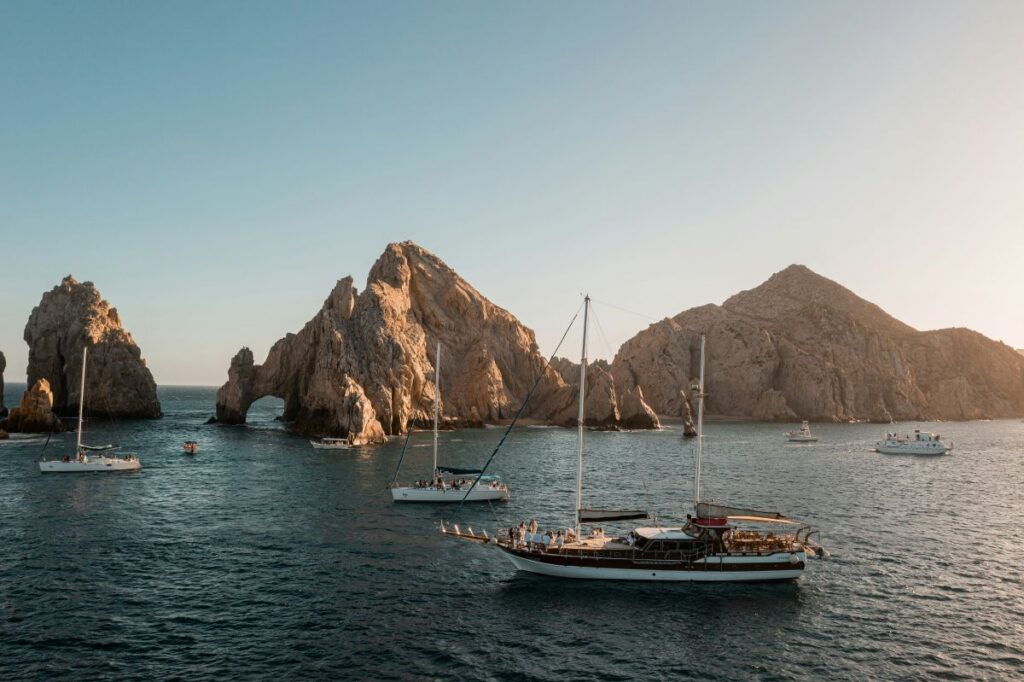
A boat excursion to Land’s End is the essential pivot of any visit to the region! Why? It leads directly to the ultimate view: the Arch. This massive natural limestone formation marks the symbolic separation between the Pacific Ocean and the Sea of Cortez—famously dubbed “the aquarium of the world” by explorer Jacques Cousteau.
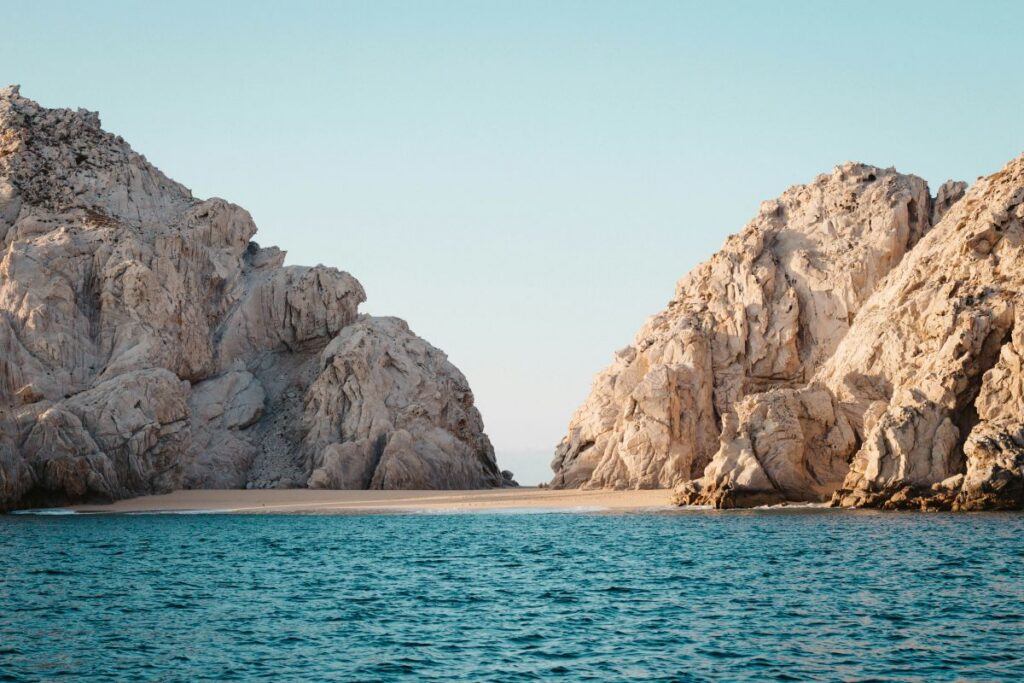
While it is a tourist landmark, the natural beauty of the site is incomparable. Tucked at the foot of the jagged cliffs, you will find two “secret” beaches with entirely different personalities.
On one side lies Playa del Amor, a stunning stretch of fine sand cradled by towering rocks, perfect for a swim in a quiet, protected bay. Just a few steps away, the Pacific unleashes its full fury with massive, crashing waves on Playa del Divorcio. Breathtaking to look at, but strictly off-limits for swimming.
Reaching the iconic arch is possible through various options tailored to your budget and desired level of service. While US dollars are standard, carrying Mexican pesos is helpful for smaller expenses like tips.
- Guided excursions: These tours typically include lunch, cocktails, and a snorkeling break in a bay teeming with tropical fish. Expect to pay between$60 and $80 USD per person for an outing that lasts 2 to 4 hours.
- Water taxis: This is the most common way to reach the Arch. These glass-bottom pangas can be found at the Cabo San Lucas Marina or on Medano Beach. While vendors may start with a “high ask” of $40–$50, a respectful but firm negotiation will usually get you down to a fair price of $20 USD per person for a round trip.
- Luxury sunset cruises: Perfect for getting the views without the crowds. These experiences typically range from $85 to $125 USD per person. They often feature premium open bars, high-end appetizers, and a more relaxed, “boho-chic” atmosphere with top-tier service.
- Active adventures: For a closer encounter with the rock walls and sea lions, rent a kayak or paddleboard to explore at your own pace. Rentals typically start around $40 USD per hour. Guided tours—which often include gear, a guide, and snorkeling—range from $60 to $75 USD.
Dive at the Cabo Pulmo Marine Reserve
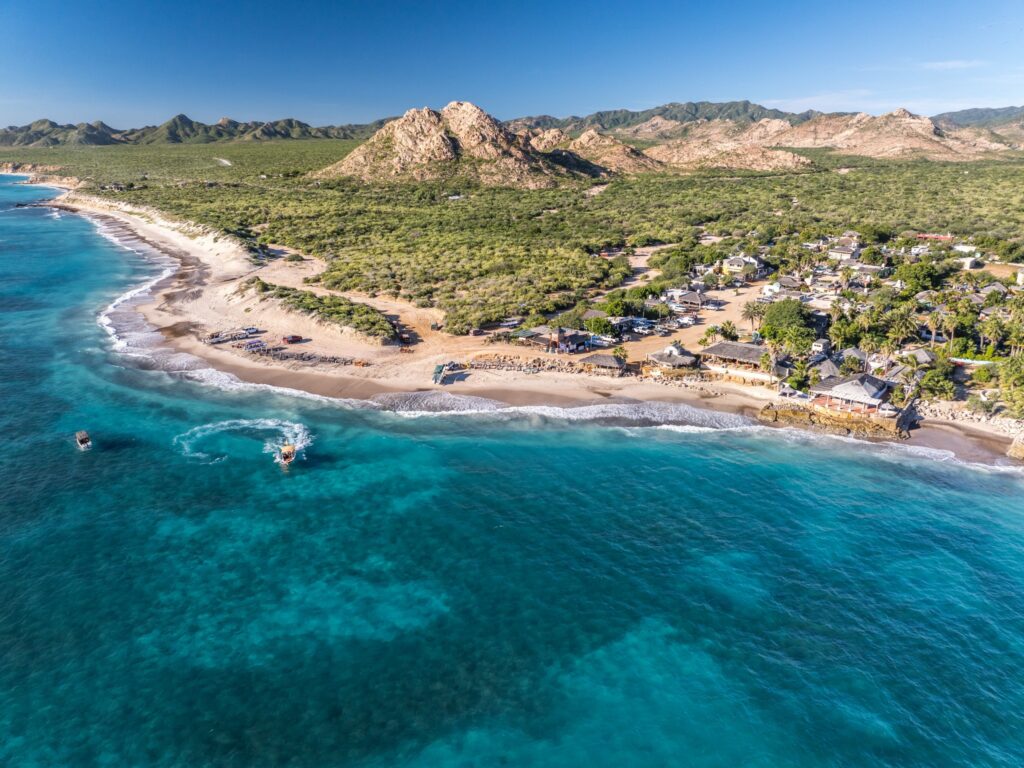
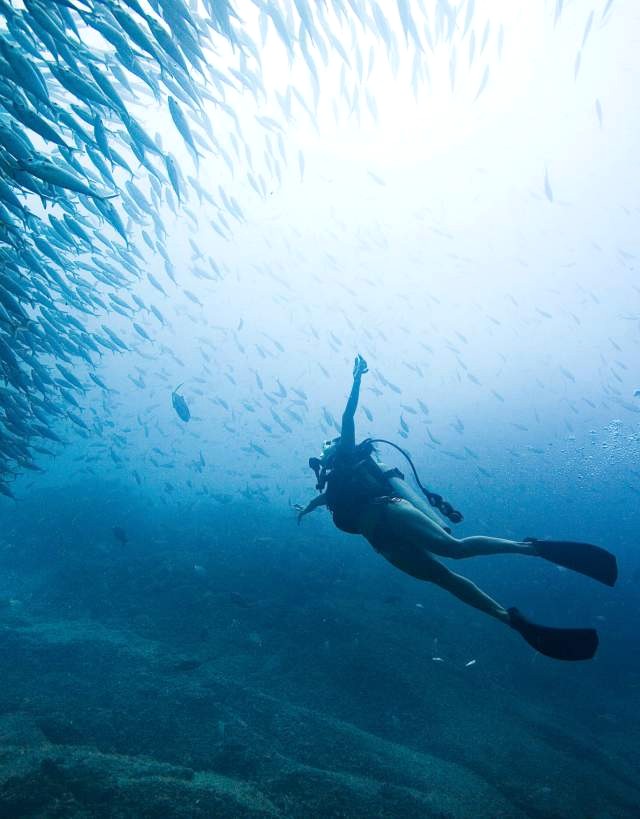
Located about a two-hour drive northeast of the main hotel zones, Cabo Pulmo National Marine Park is a sanctuary of underwater biodiversity. Once devastated by overfishing, the local community save the rafe and has since transformed it into one of the richest marine ecosystems on the planet.
Today, underwater visibility is notoriously exceptional, often exceeding 30 meters. The most iconic sight is undoubtedly the massive colonies of jackfish—thousands of silver fish swirling in compact columns so dense they occasionally block out the sunlight. Also, you can swim alongside mobula rays, sea turtles, angelfish, and parrotfish… and from December to April, the horizon is often punctuated by breaching humpback whales. To protect this natural beauty, Cabo Pulmo imposes strict daily visitor quotas.
Experience Mexican gastronomy at Flora Farms
Hidden in the arid foothills of San Jose del Cabo, Flora Farms is the flagship of the farm-to-table movement and the field kitchen philosophy. It is an essential meeting point for travelers seeking a bucolic break from the coast. This 25-acre agricultural oasis grows its own organic ingredients to create food of remarkable precision.
The stone and wood architecture, open to the surrounding gardens, creates a modern ranch atmosphere. Here, time seems to slow down. Beyond the meal, the farm offers cooking classes focused on local traditions. You’ll learn to handle smoky chilies, prepare authentic salsas, and press tortillas by hand under the shade of fruit trees. It is a sensory, grounded experience that connects you directly to the Baja soil.
Day trip to Todos Santos
About an hour’s drive north, Todos Santos appears like a mirage. Nestled between the mountains and the Pacific waves, this “pueblo mágico” is a refuge for free spirits, surfers, and artists. Its art galleries, often housed in old sugar mills, exhibit works inspired by the surrounding desert. It’s the perfect place to slow down and wander cobblestone streets. And even find deserted stretches of sand away from the urban bustle.
What is Los Cabos known for? Sierra de la Laguna!
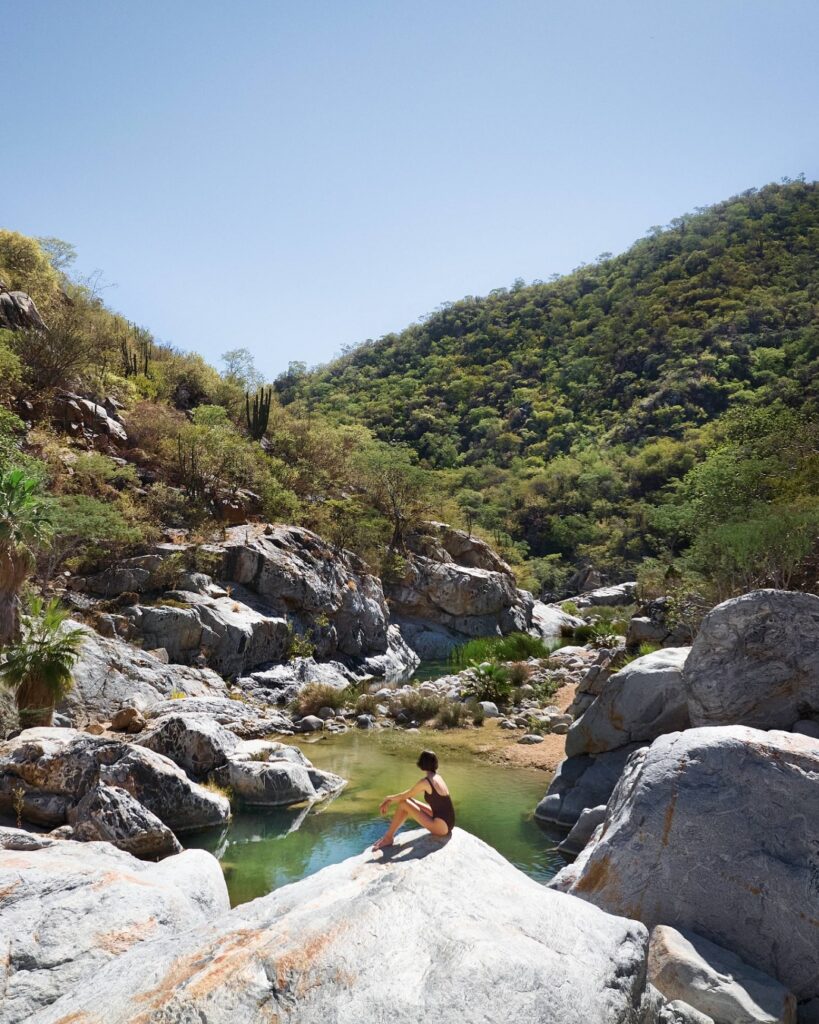
Baja California is home to a collection of fascinatingly complex ecosystems. Unlike barren dunes, the Baja desert is a living landscape defined by a surprising botanical density and one of the highest rates of plant endemism on the planet.
First, you’ll encounter the legendary Cardón cacti. These giants, which can live up to 300 years and weigh several tons, hold the title of the largest cacti in the world. They coexist with the Torote (elephant tree), whose bark peels to trap moisture, creating surreal, sculptural silhouettes.
Further inland, the Sierra de la Laguna rises to over 2,000 meters. This elevation allows it to catch passing clouds and create freshwater springs, revealing several hidden treasures:
- Fox Canyon (Cañón de la Zorra): Located near the village of Santiago, this spectacular site features iconic vegetation—palms and aromatic herbs—that contrasts radically with the arid rock.
- Sol de Mayo Waterfall: Dropping from a height of twelve meters, it cascades into a crystal-clear freshwater pool. A true oasis in the heart of the cacti!
- Santa Rita Hot Springs: The peninsula’s tectonic activity gives rise to natural hot springs nestled between rock walls in the very heart of the mountains.
Finally, venturing into the desert also means meeting the rancheros of Baja California. These families have lived in the mountains for generations, maintaining traditional ranching practices and the artisanal production of goat cheese.
What is the difference between Cabo San Lucas and San Jose del Cabo—and where should you stay?
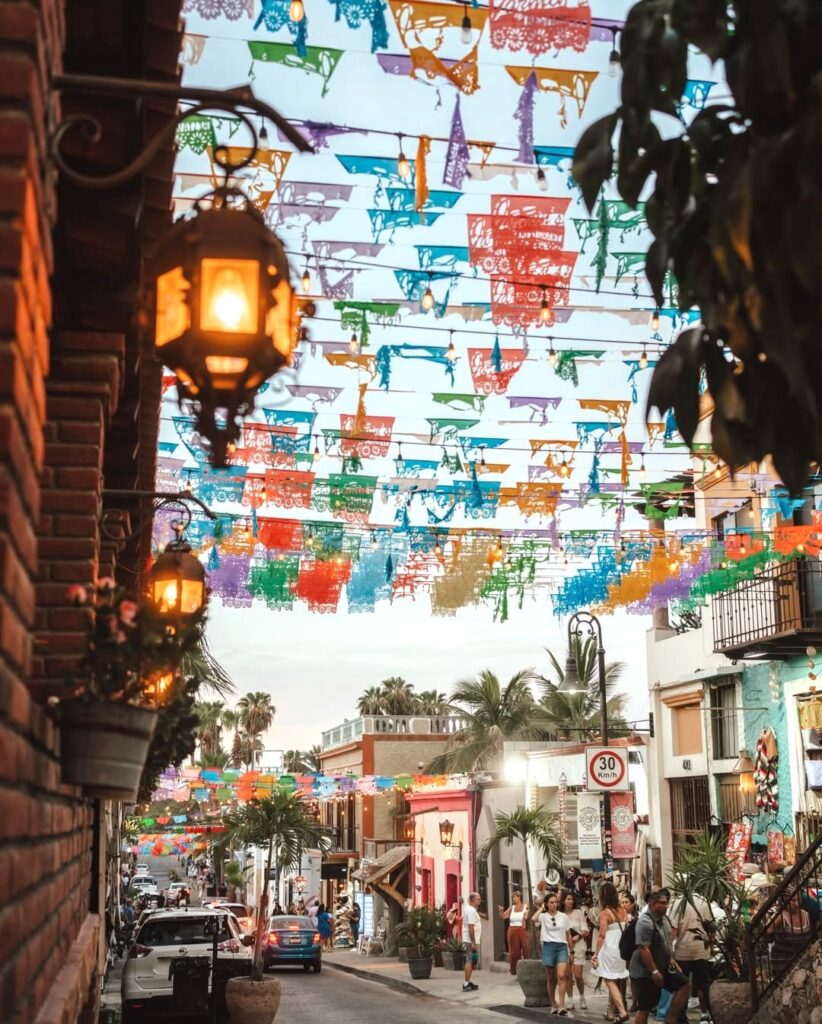
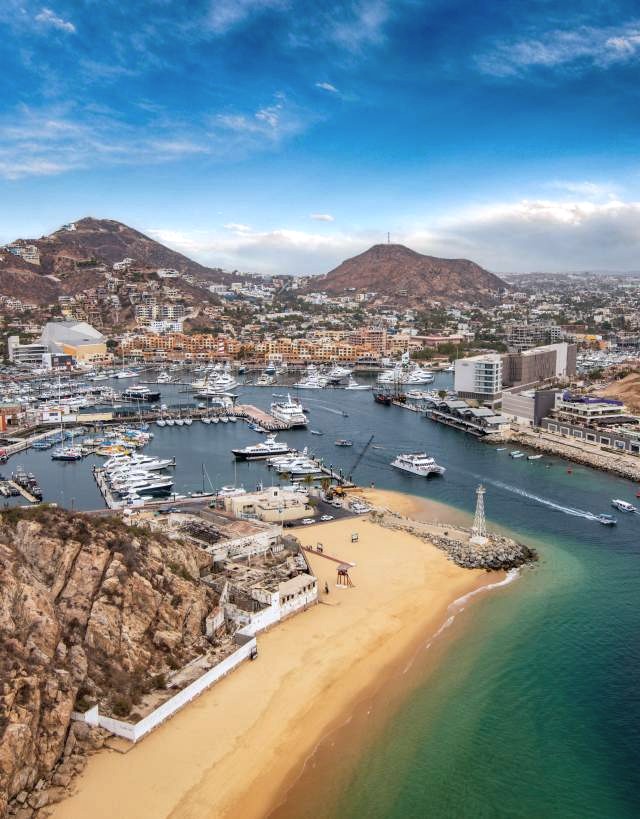
To make the most of your Los Cabos vacation, you have to understand the region’s dual personality. While only thirty kilometers apart, these two towns offer diametrically opposite vibes.
Cabo San Lucas is the primary magnet for those craving constant momentum and live music. It represents the extroverted side of Mexico, where entertainment is the top priority.
- Nightlife: The city has earned an international reputation for its concentration of legendary bars and nightclubs—particularly around the marina, which swarms with luxury yachts and non-stop energy.
- The experience: With high-end shopping malls, boutique hotels, and bustling restaurants defining the downtown area, this is the place to be if you want to stay in the heart of the action. Best of all, you’re usually just a few minutes’ walk from the sand and a wide array of beach activities.
In stark contrast, San José del Cabo embodies a sense of tranquility and historical elegance. Founded in 1730 as a Jesuit mission, the town once served as a vital refueling station for Spanish galleons before they crossed the Pacific. Today, it has beautifully preserved its colonial architecture and slow-paced, old-world charm.
- Heritage: A visit to the Plaza Mijares and the Parroquia San José church allows you to feel the weight of the city’s storied past and deep-rooted traditions.
- The experience: San José del Cabo is meant to be explored slowly, on foot. The highlight is the Art District, where high-end galleries showcase contemporary Mexican works tucked away in charming courtyards that have been transformed into intimate cafes and boutiques. It’s a sophisticated retreat far from the tourist bustle.
Hike Mt. Solmar
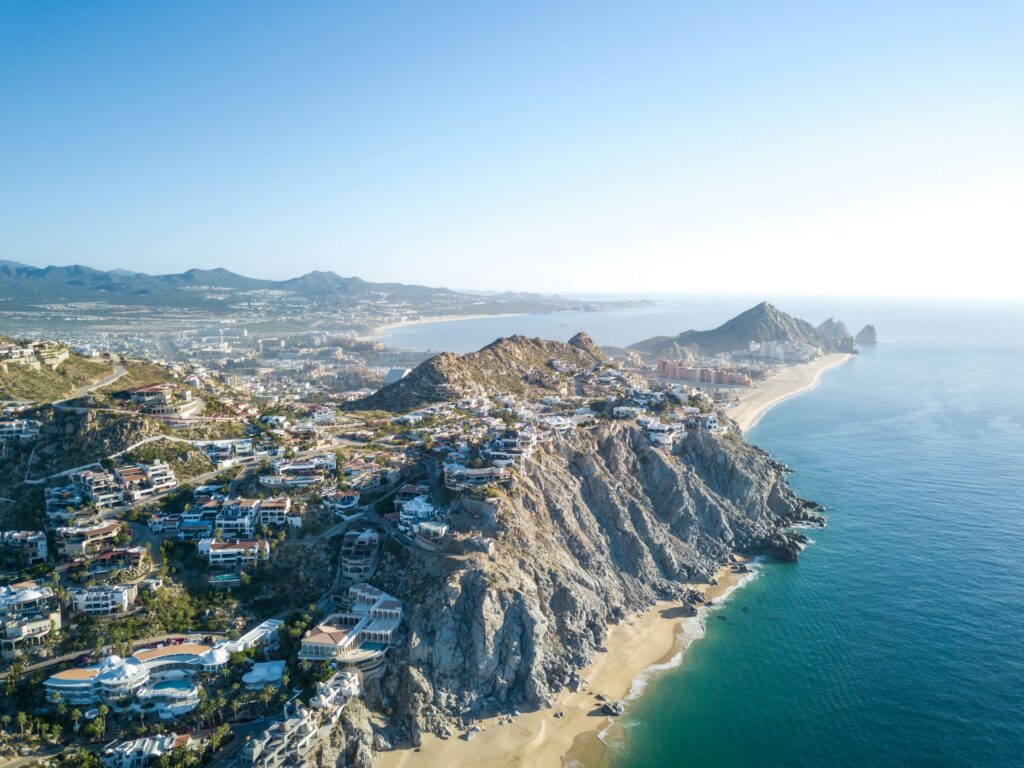
For the ultimate bird’s-eye perspective of the entire bay, the hike up Mt. Solmar is an absolute must. While the trek is relatively short—taking only about thirty minutes—the path is steep, rugged, and demands sturdy footwear, so be sure to leave the flip-flops back at the hotel.
The ascent is a quick, intense burst of effort, but the payoff is world-class. From the summit, enjoy incredible views that stretch across the horizon, offering a stunning 360-degree panorama of the entire region. The ideal time to make the climb is just before sunset; as the sun dips lower, the light sets the ochre cliffs ablaze in a fiery orange, making the water sparkle as far as the eye can see. It is, without question, the most breathtaking vantage point in Los Cabos.
Why can’t you swim at some beaches in Cabo and where to go instead?
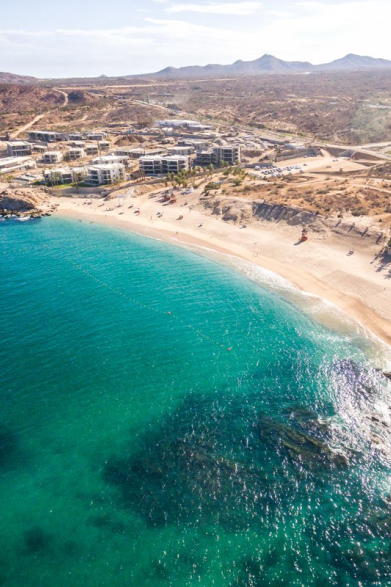
While the water may look inviting from the incredible view of your hotel balcony, the reality beneath the surface is quite different. The collision of the cold Pacific Ocean currents with the warmer waters of the Sea of Cortez creates formidable undertows. Consequently, many beaches are marked with permanent red flags, signaling that they are unsafe for swimming.
Fortunately, the Los Cabos region is home to several protected coves. Many of these bays are naturally sheltered by massive rock formations that act as breakwaters. Here are a few options for swimming, snorkeling, or simply floating in total safety:
- Playa El Médano: Located in the heart of Cabo San Lucas, this is the quintessential swimming beach. The waters are calm, shallow, and perfect for a dip with incredible views of the Arch.
- Santa María Bay: This quiet, horseshoe-shaped little bay is a protected marine reserve.
- Chileno Bay: Renowned for its water purity, this beach is a favorite of parents and children alike. It stands as one of the best snorkeling spots in the region.
- Playa Palmilla: A white-sand crescent offering a very gentle entry into the water. It is a great place to head early in the morning for a peaceful swim among tropical fish.
- Playa Los Cerritos: Located toward Todos Santos, this is the go-to spot for those looking to try surfing, thanks to its consistent yet accessible waves.


Elevate your inflight experience in Premium Economy
Treat yourself to Club Class, a dedicated and exclusive 12-seat cabin!
- Generous baggage allowance that includes one carry-on, one personal item, and two checked bags (up to 32 kg each)
- Reclining seats (among the widest seats in its class) with footrests, 6-position headrests, a generous 38-inch pitch for extra legroom
- A selection of 6 gourmet meals served on porcelain dishes along with wines, spirits, beverages, and snacks available throughout the flight
- Dedicated check-in, boarding, and baggage handling as well as seamless journey through security checkpoints for a faster, smoother transition
- A travel kit including a blanket, sleep mask, socks, and various personal care items