When you look out the terminal window and see your aircraft gliding toward the gate, you might get the impression it is just waking up from a nap. In reality, only a few hours earlier, that same plane may have been surrounded by sixty technicians, with its engines wide open and its systems exposed.
Every single flight requires the dedicated attention of dozens of professionals—whether they are refueling, cleaning, or performing rigorous ramp inspections during a brief layover. But sometimes, the real work happens further upstream, deep within our hangars. These are high-precision operations, orchestrated behind the scenes to ensure you depart on time and, above all, in total safety.
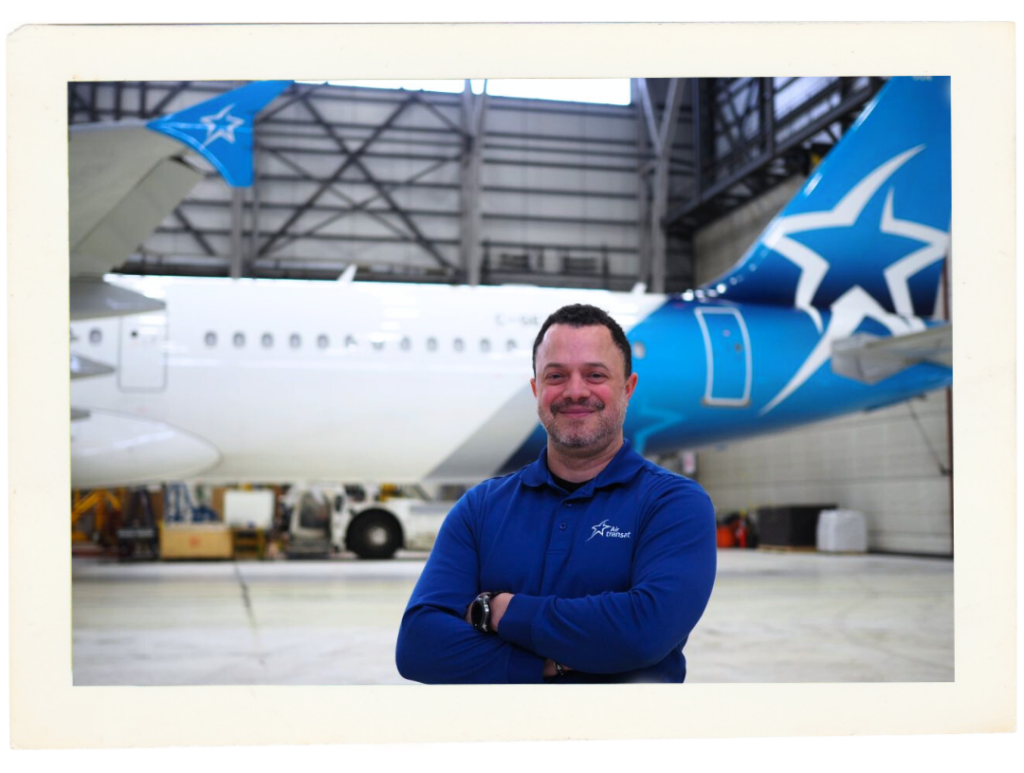
To understand what truly happens behind the hangar doors, we sat down with Maintenance Supervisor Mitchell Centeno during a deep-dive inspection. Welcome to his world.
What is an “A-Check,” and why is it necessary?
Think of it as a major periodic tune-up for a car, but multiplied a hundredfold in complexity. In aviation—with very few calendar-based exceptions—we don’t measure time in days, but in flight hours. Every 1,000 hours of flight, an aircraft must return to the hangar for a “Type A” visit, commonly known as an A-Check.
These are in-depth inspections that simply cannot be performed at the gate (the ramp) between flights. We verify the airworthiness and functionality of every single component. It is a crucial step in ensuring the aircraft is not only safe but operating at peak performance. For a model like the Airbus A321, this process requires roughly 12 hours of intensive labor.
Only 12 hours? How do you organize such a massive task?
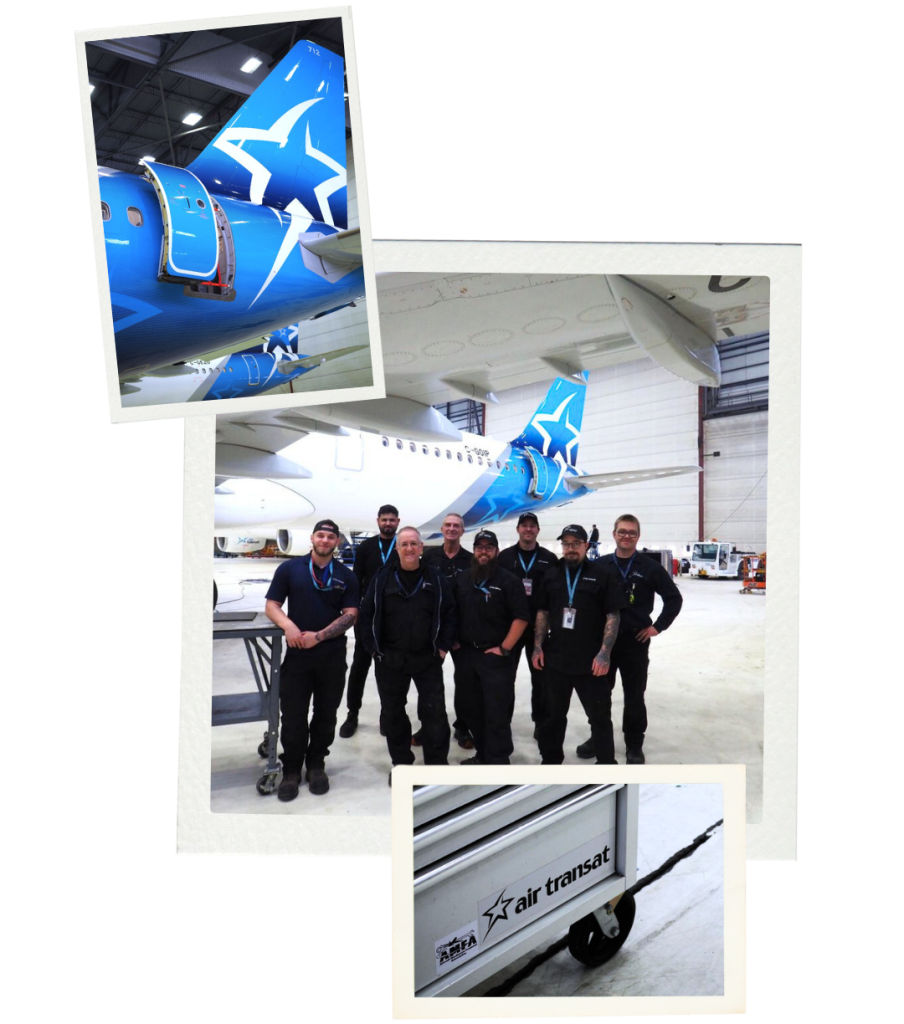
To be honest, it’s a race against the clock! If we begin at 5:45 AM, our goal is to have the aircraft ready to return to service by 6:00 PM that evening—often for a trans-Atlantic flight to Europe. An aircraft on the ground is not an asset for an airline, so we aim for maximum efficiency.
But make no mistake: speed never comes at the expense of safety. To succeed, we mobilize approximately 60 people per shift. It is a monumental team effort, planned months in advance by a specialized assignment team to ensure every task is perfectly synchronized across different sections of the aircraft. A day team of about 40 people hands off to a evening team of 20, allowing us to cover every square inch of the plane within the allotted window.
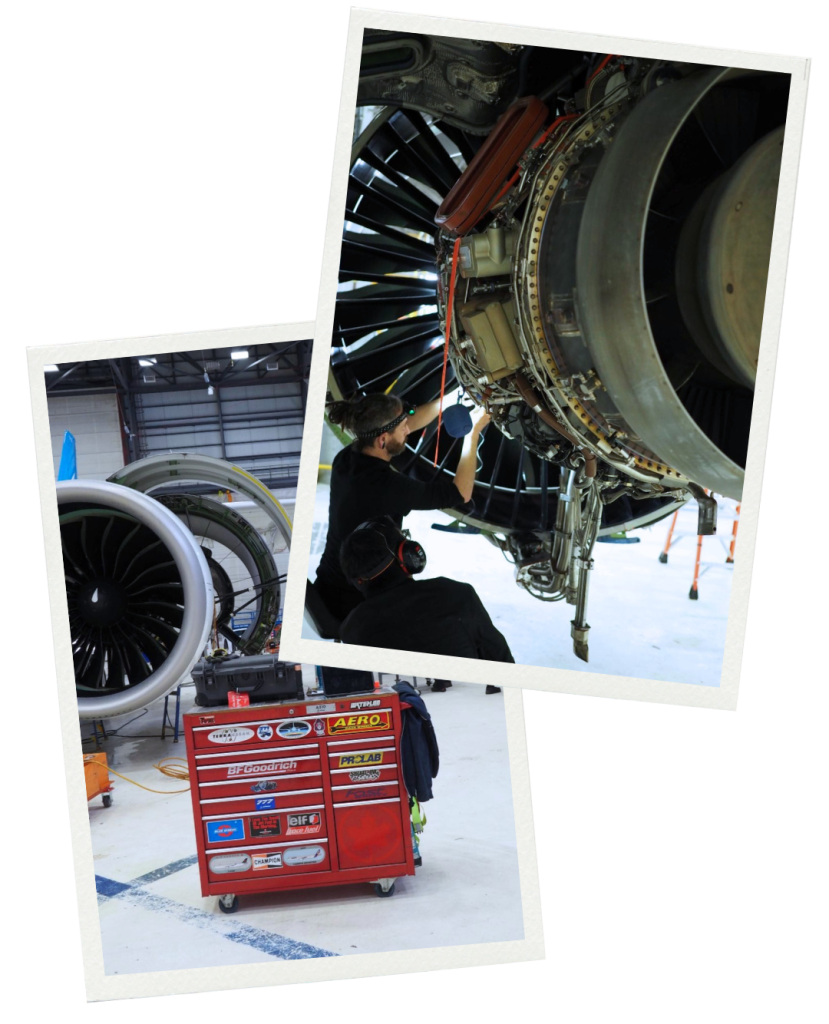
Specifically, what happens when those engines are wide open in the hangar?
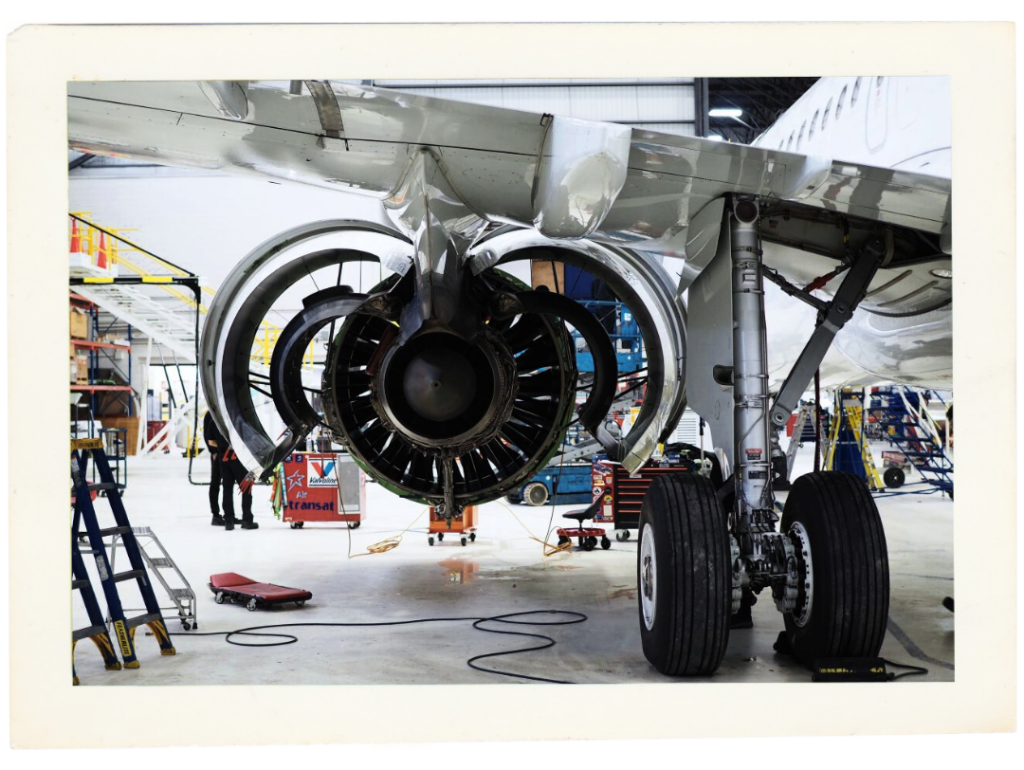
During an A-Check, we literally open up the plane. To achieve this feat in just twelve hours, four specialized teams work in parallel:
- Mechanics: They open the engine cowlings to inspect internal components, replace generator oil filters, and check the landing gear. They also test the hydraulic systems—the “muscles” that move the wing flaps and flight controls. Every seal, filter, and fluid level is scrutinized to guarantee optimal performance the moment the plane returns to the line.
- Avionics: These specialists focus on the “head” of the aircraft—the nervous system. They test the onboard computers and flight control systems that allow pilots to communicate with and command the machine.
- Structure: These technicians handle the airframe, inspecting both metal and high-tech composite materials to ensure there is no damage, however minor.
- Interiors: They ensure the cabin is in pristine condition for our passengers.
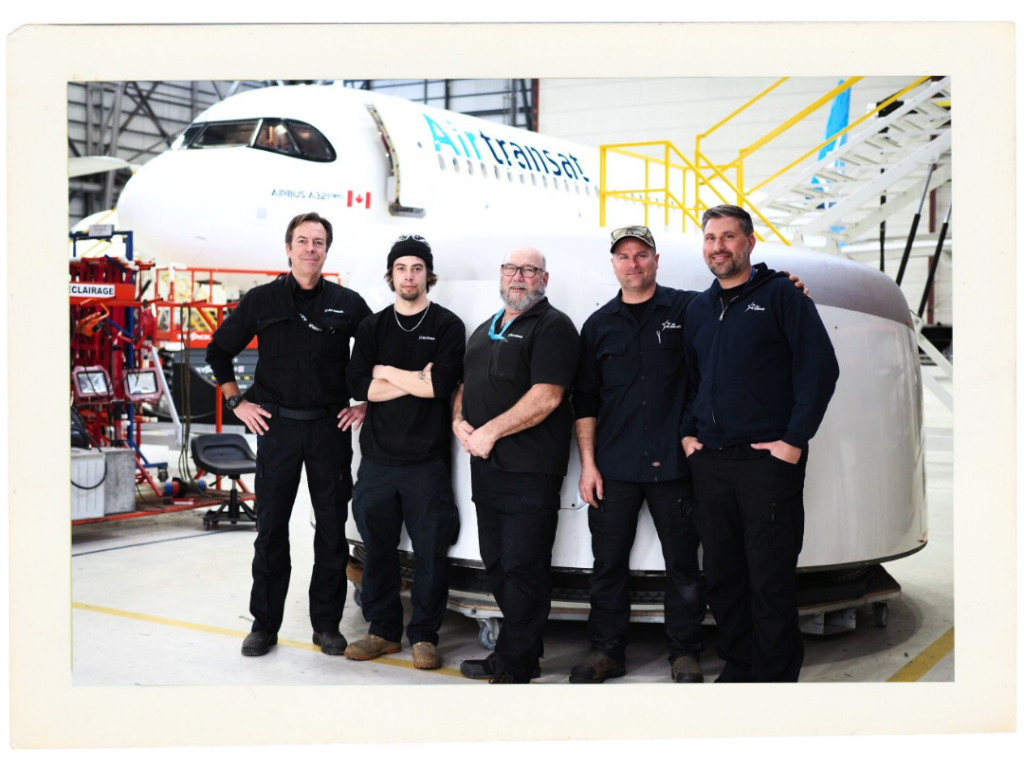
Why is the interior team so vital to a technical check?
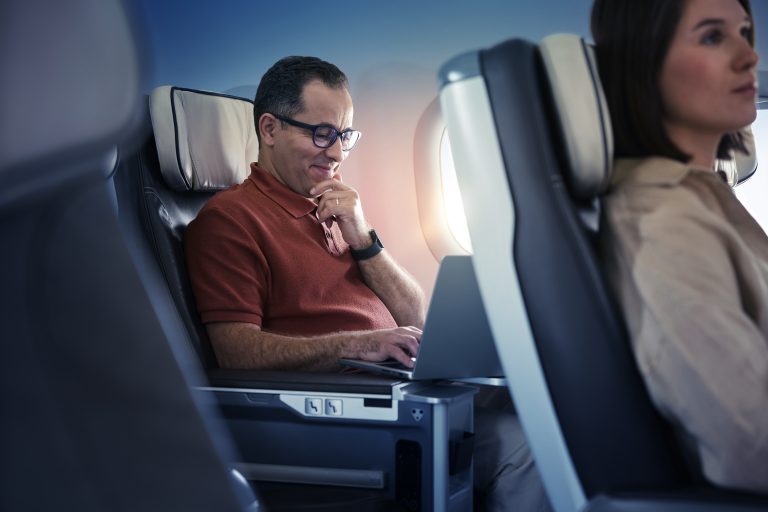
Because the cabin is what our passengers see and feel; it is the physical representation of our brand. A torn seat or a stained tray table leaves a lasting impression. During an A-Check, the interiors team repairs seats and ensures every finish is impeccable. While a worn seat doesn’t prevent a plane from flying, it is a priority for us that everyone we welcome on board feels they are in a well-cared-for, comfortable environment.
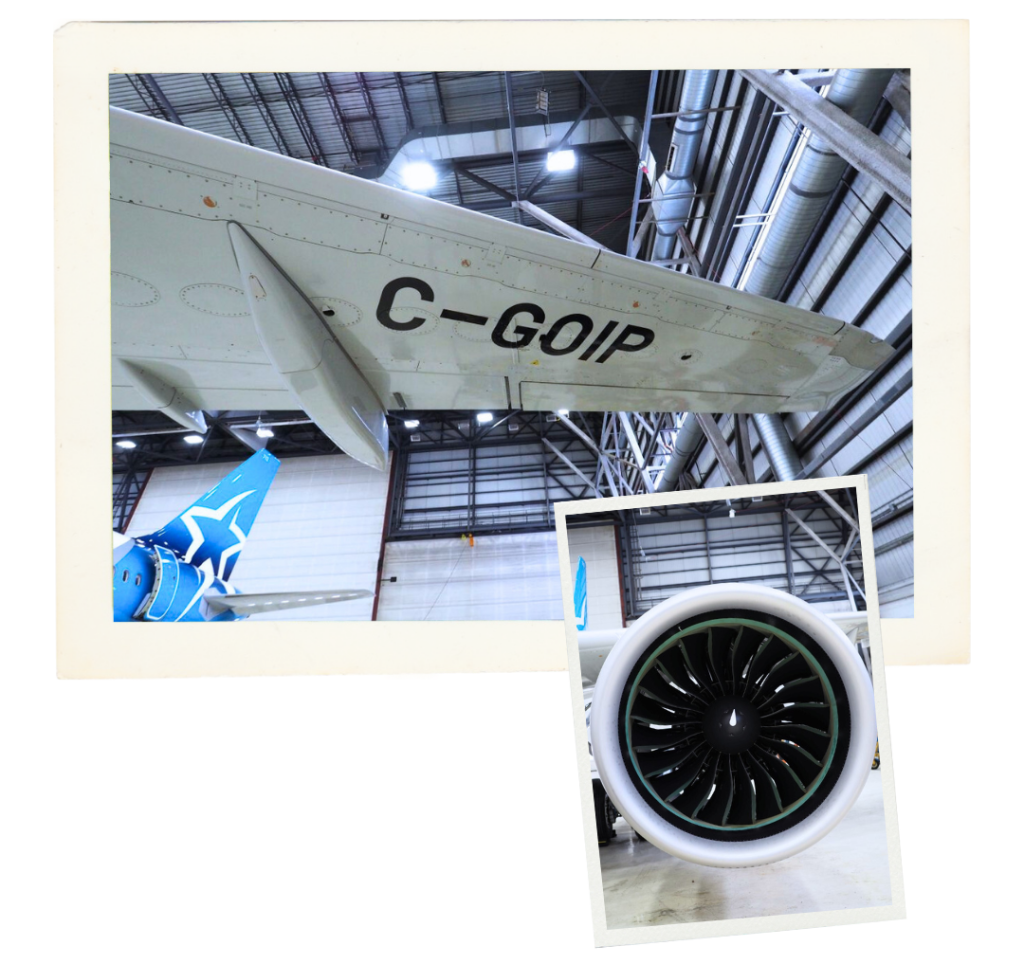
How self-sufficient is the Montreal hangar for repairs?
We are almost entirely self-sufficient! Our sheet metal shop is a point of pride. Our technicians can take apart massive components, such as Airbus A330 engine inlets, repair them piece by piece, and reassemble them. We even work on advanced composite materials in-house.
For even heavier maintenance—Type B and C visits, which occur every two or three years—aircraft are typically sent to specialized centers in France, Malta, or Ireland. However, here in Montreal, we manage the bulk of our daily operational needs with incredible expertise.
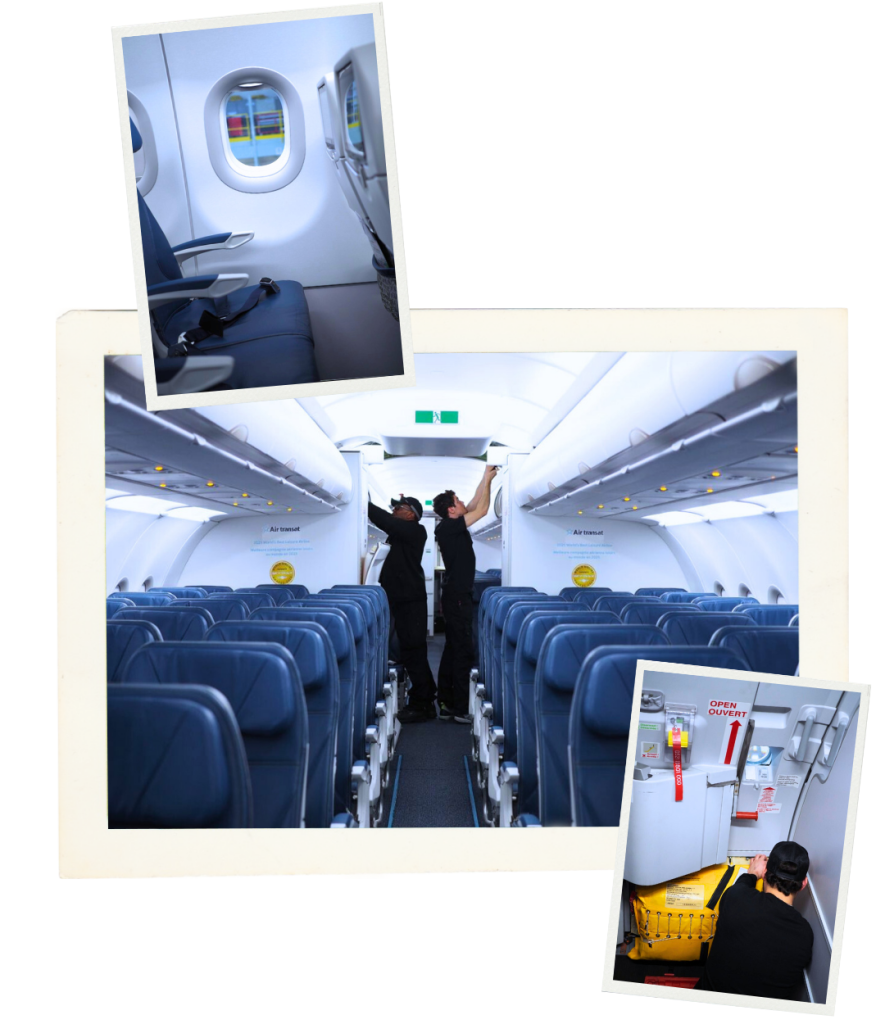
Is artificial intelligence starting to play a role in the hangar?
Yes, but we approach it with great caution. In our profession, there is absolutely no room for error; we are responsible for human lives. Our current systems are already highly sophisticated—capable of planning a work schedule in seconds based on available personnel, specific expertise, and parts in stock. AI will help us refine our data to become even more predictive, but the human factor will always remain the heart of the final inspection.
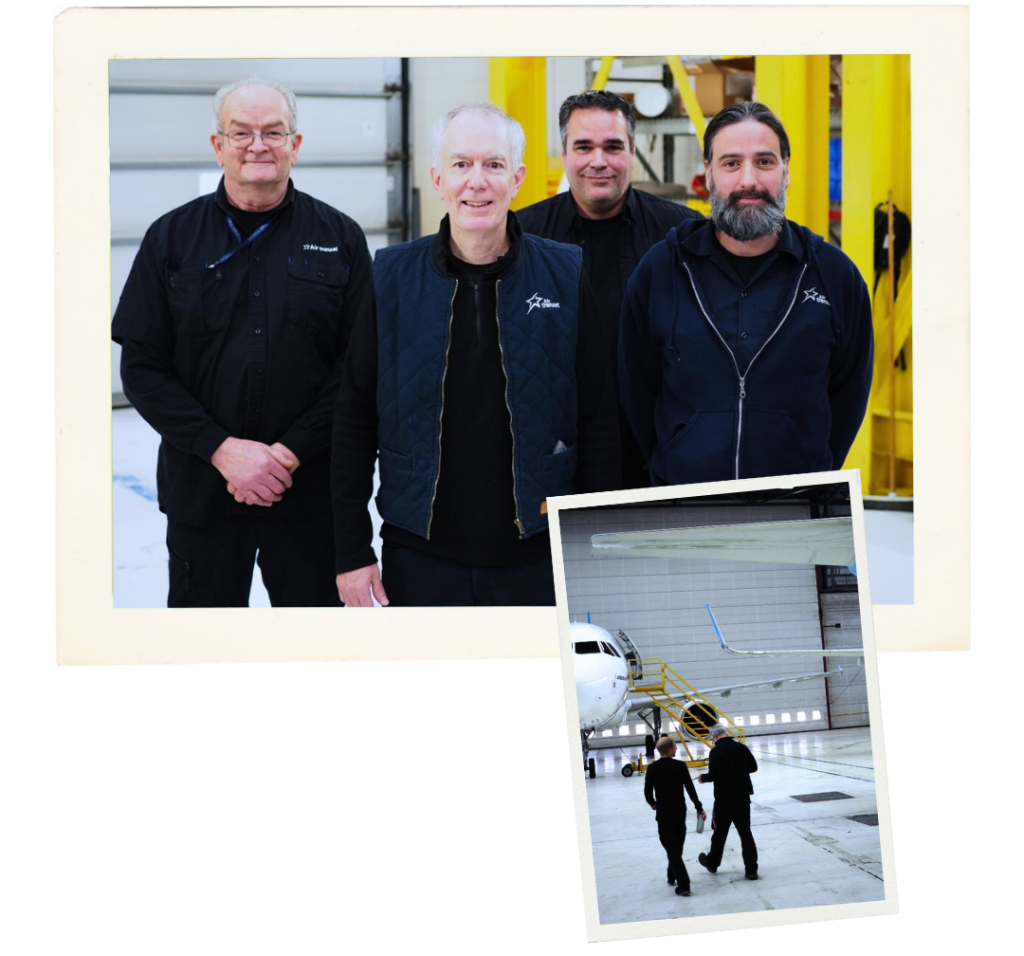
What would you like passengers to know when they step on board?
I want them to realize what an extraordinary and reliable machine an airplane truly is. It’s easy to look at a plane at the gate and think it’s been sitting there all day. In reality, it may have just spent ten hours undergoing various tests at the other end of the airport to be ready just in time for your departure.
I hope our passengers can see that every flight is the result of an invisible, meticulously orchestrated ballet. Technical teams, network planners, engineers, and procurement specialists all work in total interdependence with our crews. When you understand the rigor and passion behind the scenes, you never look at a flight the same way again.