Beyond Florence, Siena and the iconic landscapes of Chianti, Tuscany is home to countless stone-built villages that seem frozen in time. Perched atop rolling hills, tucked among vineyards or clinging dramatically to cliffsides, they tell a different story of the region—one that is quieter, more authentic and every bit as captivating. All it takes is leaving the main roads behind to discover another part of Tuscany, hidden around a bend in the countrysideor at the end of a winding rural lane.
Here are some of the pretty towns to discover on your next trip to Tuscany.
What is the prettiest medieval town in Tuscany to visit? San Gimignano!
Climb Torre Grossa and take in one of Tuscany’s most unforgettable panoramas. From the top of the town’s tallest tower, the stunning view stretches across San Gimignano’s remarkably preserved medieval centre and the surrounding Tuscan hills.
UNESCO recognizes San Gimignano for its exceptional medieval architecture dating from the 13th and 14th centuries. Sitting midway between Florence and Siena, the town ranks among Tuscany’s most popular destinations and attracts large crowds during peak season. Even so, few places capture the spirit of the region quite like San Gimignano.
Step away from the busiest streets and wander through its narrow lanes. Laundry hangs between stone houses, friendly locals chat from their windows and family-run shops invite visitors to slow down and explore.
Head to Piazza Cisterna, the town’s main square, to enjoy a glass of Vernaccia, San Gimignano’s renowned white wine. Then visit the local wine museum or reward yourself with an award-winning gelato from Gelateria Dondoli.
The most beautiful village near Florence: Badia a Passignano
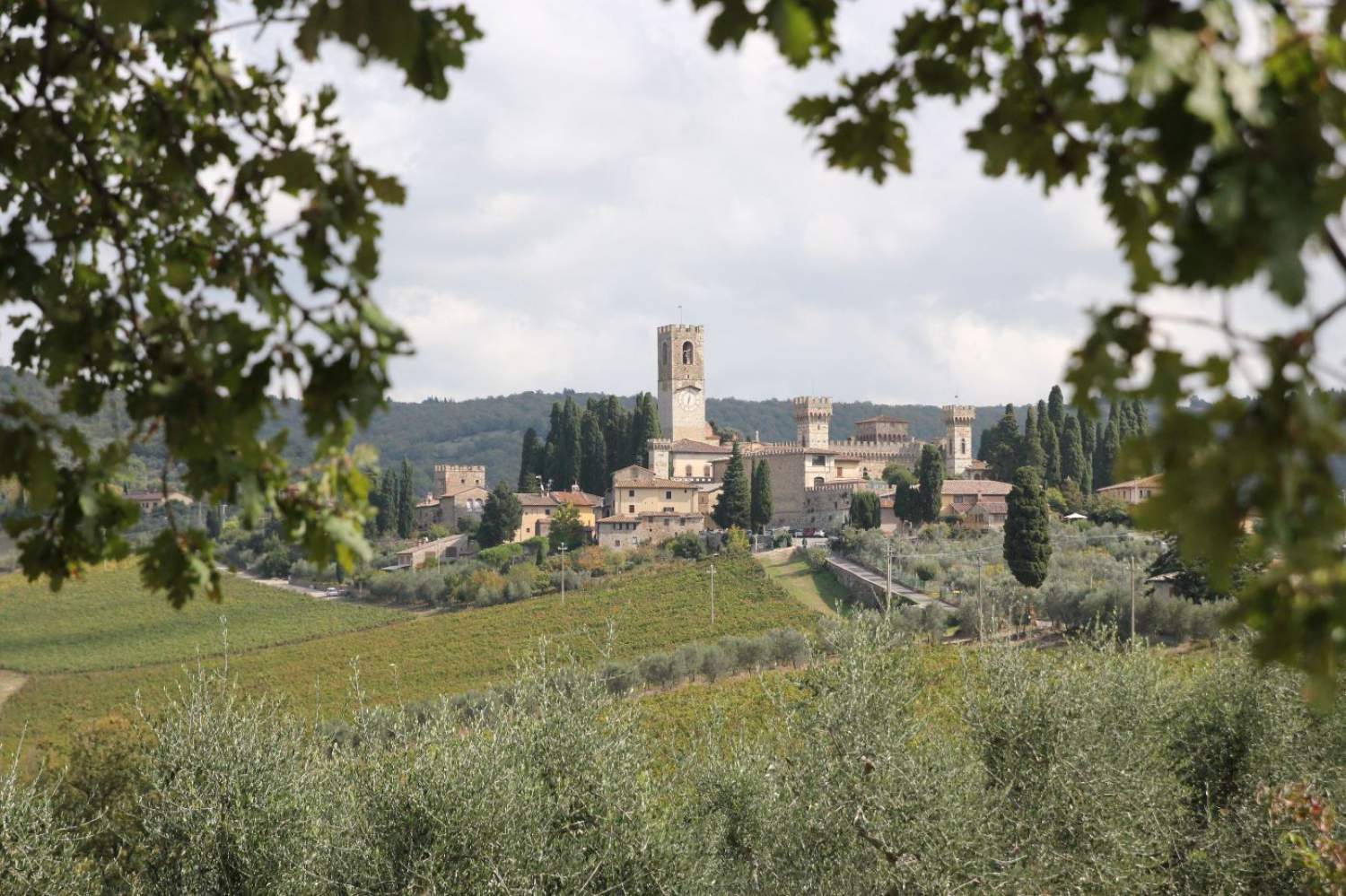
Unlike San Gimignano, Badia a Passignano remains largely overlooked by visitors, and that is precisely part of its appeal. Vineyards stretch across the Tuscan countryside in every direction, creating one of the region’s most peaceful settings.
Join a guided visit of the historic abbey, originally built as a castle before becoming a monastery. The tour opens a fascinating window onto local history and monastic life while granting access to areas that most travellers never see.
Before continuing your journey, settle in for a memorable meal at one of the village’s traditional osterias. Osteria di Passignano remains the standout choice.
What is the best place in the Tuscany countryside for wine sightseeing? Greve in Chianti!
Located between Florence and Siena, Greve in Chianti sits in the heart of Chianti Classico, one of the world’s most famous wine regions. Here, wine is far more than a product—it’s a way of life.
Every September, the town hosts a lively wine festival that draws producers, locals and people from across Tuscany. Throughout the year, wineries welcome guests for tastings and tours, making Greve an excellent destination for wine tasting.
The town’s triangular main square, lined with arcades and cafés, is the perfect place to soak up the atmosphere and watch daily life unfold among the friendly locals.
Panzano in Chianti
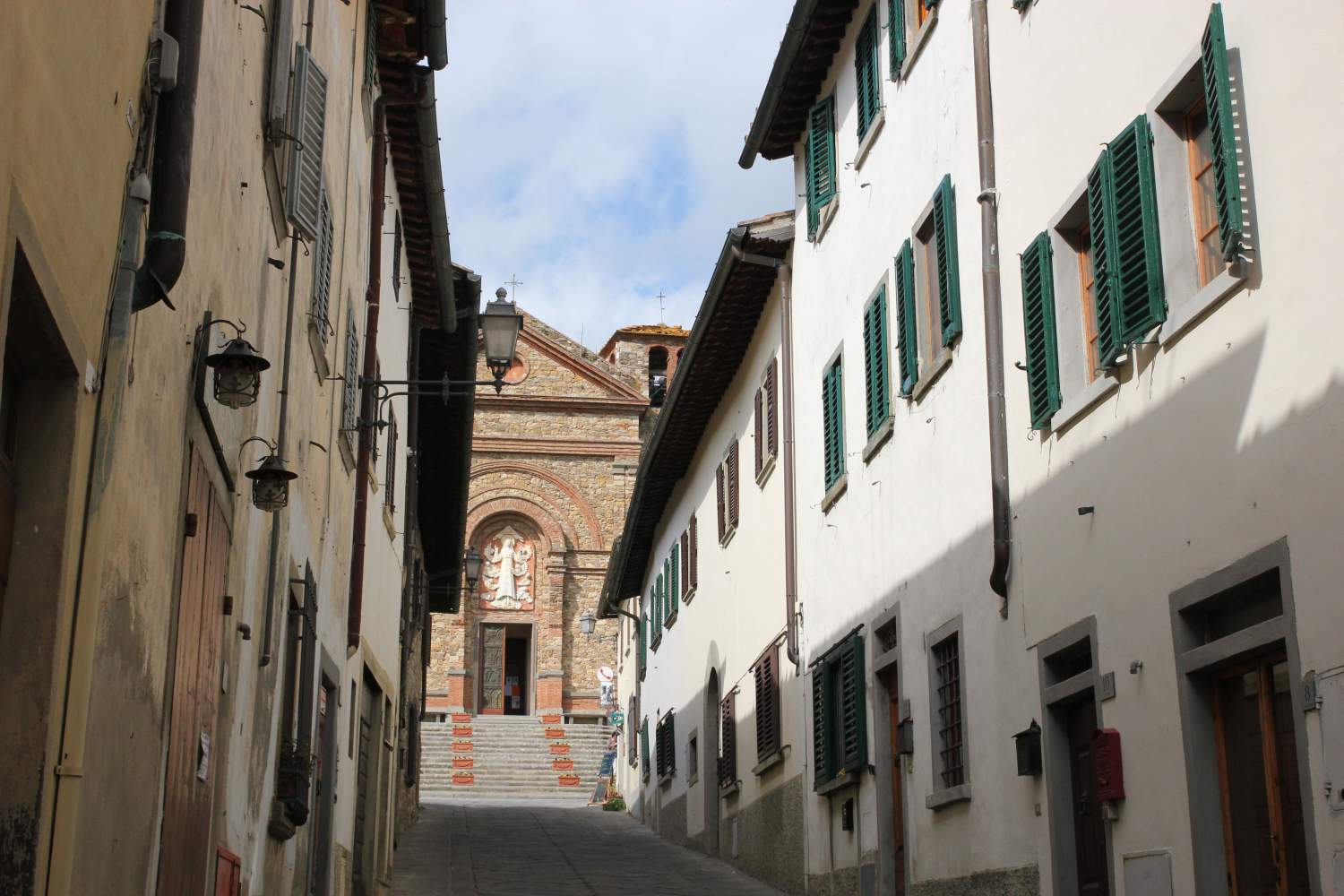
Just five kilometres south of Greve, Panzano occupies a spectacular location atop a ridge overlooking vineyards and olive groves.
Explore this pretty town on foot to fully appreciate its winding alleys, hidden passageways and intricately carved doorways. At its centre stand the Cathedral Of Santa Maria and the former castle around which the village gradually developed.
Every Sunday, the local market fills the streets with residents and gives visitors a glimpse into everyday life in one of Tuscany’s most charming hilltop communities. Among Tuscany’s hill towns, few places leave a stronger impression during a trip to Tuscany than Panzano.
Pistoia
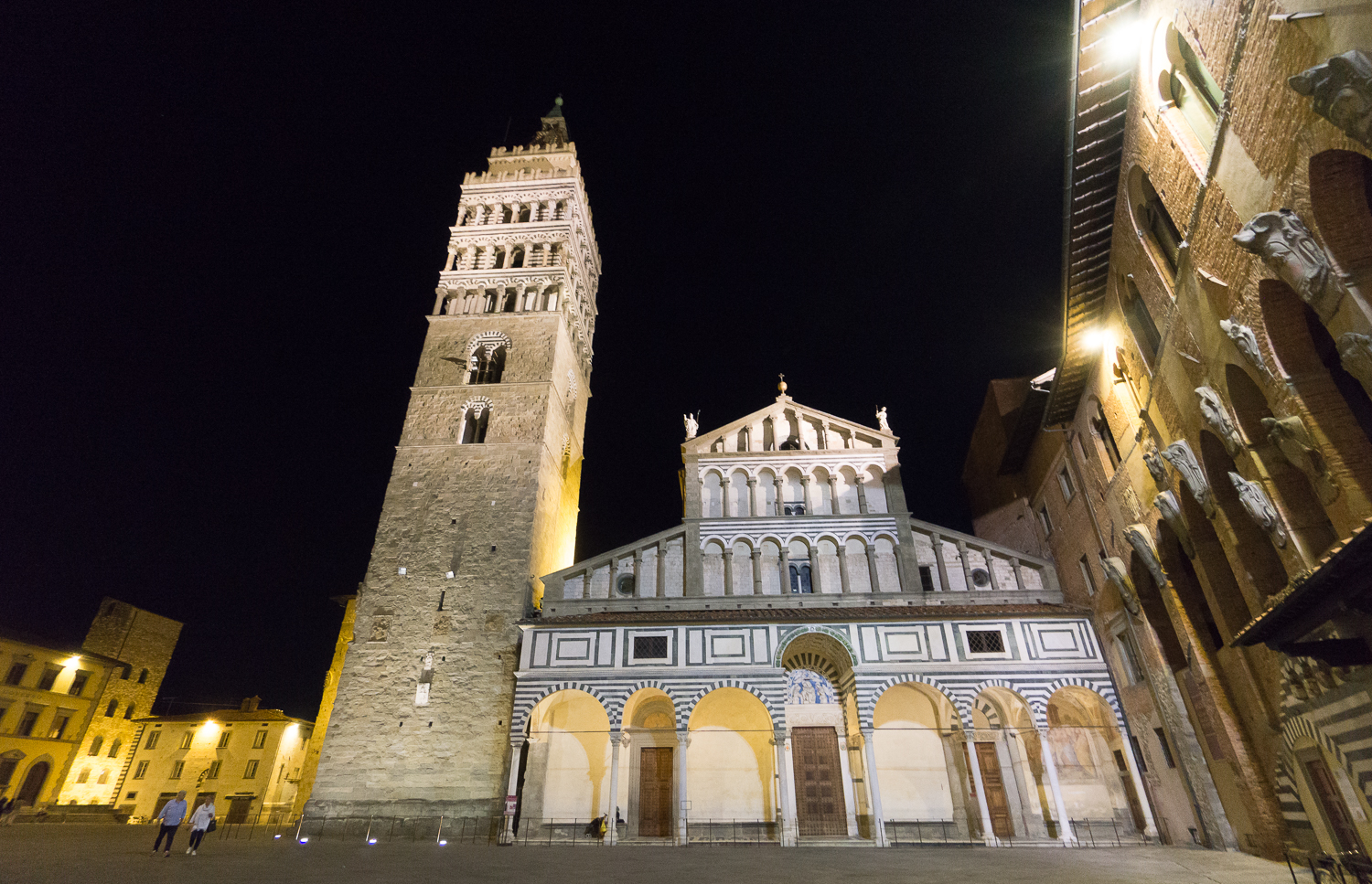
While many Tuscan towns quiet down after sunset, Pistoia comes alive. As darkness falls, warm lights illuminate churches, palaces and historic streets, transforming the city into a photographer’s dream.
The cathedral, baptistery and elegant palaces frame Piazza del Duomo, one of Tuscany’s most impressive squares. Nearby, lively streets draw students and locals to cafés, restaurants and terraces.
Thanks to its beautifully preserved historic centre and remarkable architecture, Pistoia rewards visitors who prefer wandering without an itinerary.
Tavarnelle Val di Pesa
Tavarnelle Val di Pesa makes an excellent base for exploring this part of Tuscany. Vineyards, villas and rolling countryside surround the town in every direction.
Its central square anchors daily life, while local businesses help preserve traditional food culture. Join cooking classes at Pasta Fresca, where Wilma shares the secrets of handmade Italian pasta.
Travellers looking for an agriturismo stay will also find plenty of options in the surrounding countryside.
Sorano
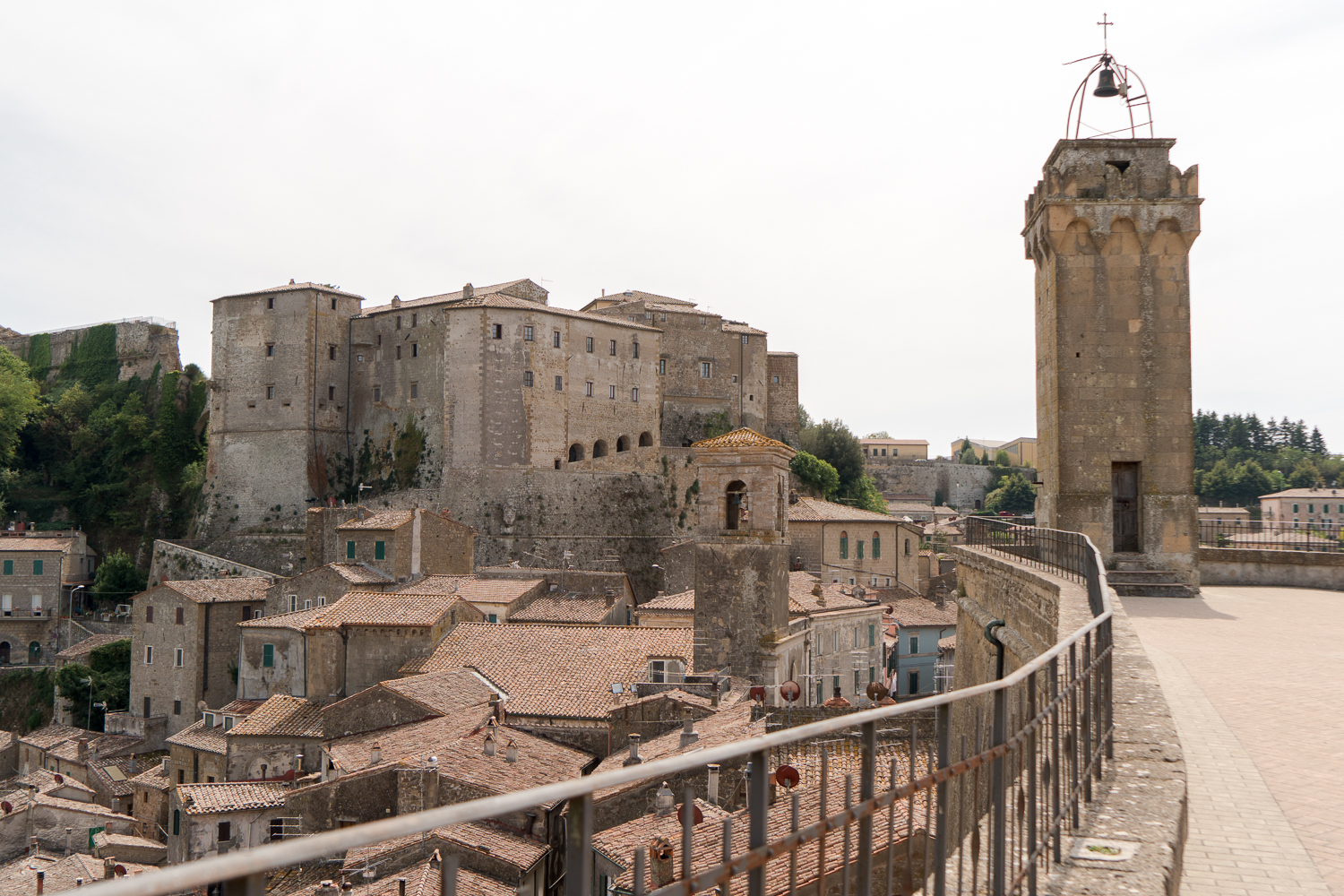
Balanced dramatically atop a rocky outcrop, Sorano appears almost suspended above the landscape. Overlooking the village, the impressive Masso Leopoldino fortress once served as a defensive stronghold.
This lesser-known destination invites slow exploration. Walking through quiet alleys eventually leads to the Orsini Fortress and its fascinating underground passages.
The surrounding countryside is equally spectacular. Ancient Etruscan pathways carved into volcanic rock provide some of Tuscany’s most unusual hiking routes, preserving traces of the Middle Ages and even earlier civilizations.
What are the must-see small towns in southern Tuscany? Pitigliano!
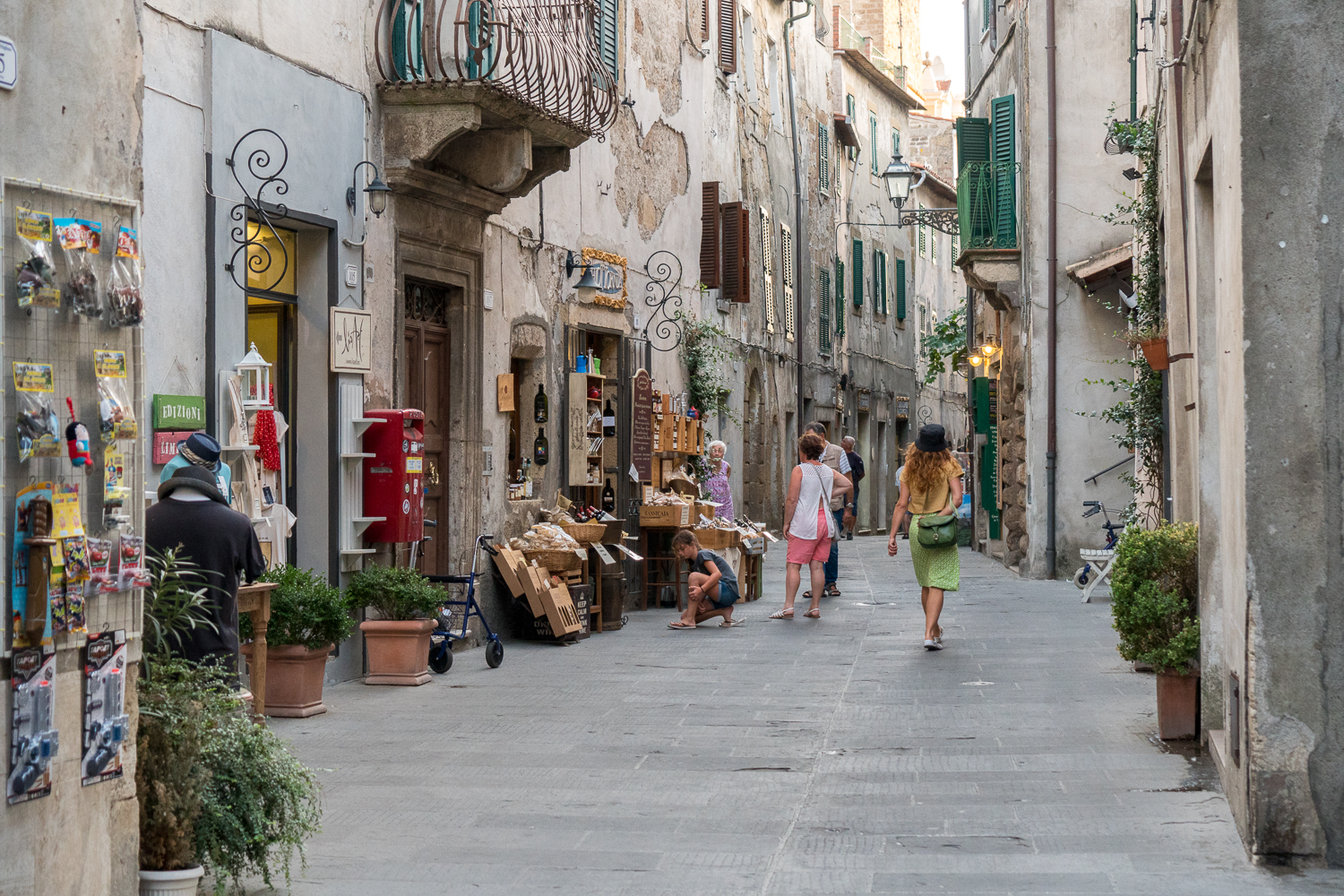
Many international travellers overlook Pitigliano, but the town delivers one of Tuscany’s most spectacular sights.
Nicknamed “Little Jerusalem,” this former Jewish centre rises directly from a dramatic cliff of volcanic tuff. Stone houses emerge seamlessly from the rock, creating an unforgettable skyline.
Explore the ancient Etruscan settlement, discover archaeological sites, step inside wine cellars carved into stone and uncover centuries of fascinating history.
More beautiful places to visit in the region of Tuscany during your trip to Italy
If your itinerary allows, take time to explore these additional gems. Each offers a unique perspective on the region and deserves a place on any list of the best towns in Tuscany.
- Alpi Apuane: Famous for the marble quarries that supplied Michelangelo, this mountain range offers a spectacular scenic drive through dramatic peaks and deep valleys.
- Montepulciano: Home to the celebrated Vino Nobile, this Renaissance hill town is centred around a magnificent square surrounded by historic palaces.
- Pienza: Designed by Pope Pius II as the Renaissance ideal city, Pienza overlooks the spectacular Val d’Orcia, with its rolling fields and iconic cypress trees.
- Cortona: Built on Etruscan foundations, this atmospheric hillside town combines medieval streets, artistic treasures and sweeping views over the Val di Chiana.
- San Quirico d’Orcia: An important stop along the Via Francigena, this charming village is known for the Horti Leonini gardens and the magnificent Collegiate Church of Saints Quirico and Giulitta.
- Montalcino: Protected by a fortress dating from the 14th century, this wine-loving town is famous for producing Brunello and offering exceptional views across the countryside.
- Arezzo: Its magnificent Piazza Grande hosts the historic Giostra del Saracino and ranks among Tuscany’s most beautiful squares. The city also lies near the Arno River.
- Volterra: One of the most fascinating Tuscan towns, Volterra features a Roman theatre, the imposing Palazzo dei Priori, a remarkable medieval wall, exceptional Etruscan architecture and the famous Porta all’Arco. The city’s Museum of the Etruscan civilization highlights its ancient past.
- Vinci: Birthplace of Leonardo da Vinci, this tiny village celebrates the Renaissance genius through exhibits featuring models of his most famous inventions.
Whether you choose a famous hill town or a hidden village beneath the Tuscan sun, these destinations showcase the remarkable diversity of Italy. Slow down, meet the friendly locals, spend a few nights in an agriturismo and immerse yourself in the beauty of the Tuscan countryside—the best way to make the most of your trip to Tuscany.