Some destinations stay with you long after you return, and for me, a excursion to Cappadocia is one of those rare experiences. Nothing truly prepares you for the feeling of finally setting foot there. Located in the heart of Central Anatolia, Türkiye, this region’s spectacular scenery immediately captivated me. The complexity of the unique rock formations create surreal landscapes that make you feel as though you’ve landed on another planet. I was truly amazed by the delicate traces left by the civilizations that have succeeded one another here, a testament to the region’s rich history.
Cappadocia is difficult to fully grasp before seeing it in person, but as you discover more, you realize it is a magical experience that absolutely belongs on your bucket list. Summarizing this journey is impossible if you limit it to a single city or site; it is a universe unto itself—a blend of nature, fascinating history, and spirituality that has evolved over centuries.
Why Cappadocia and Antalya?
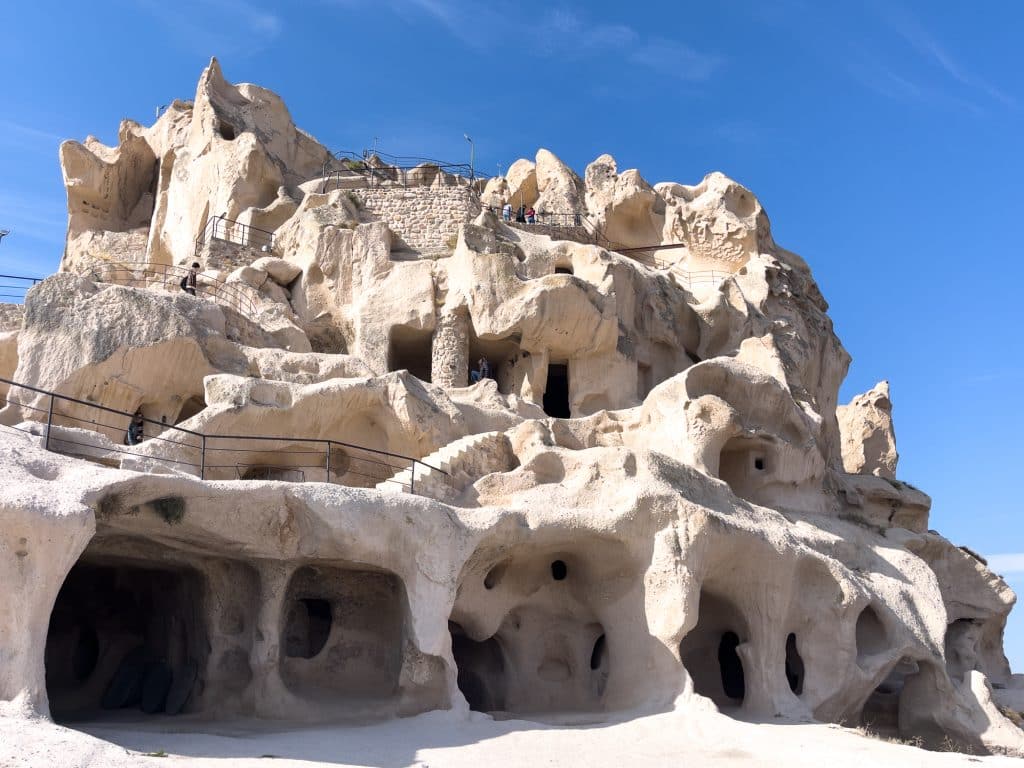
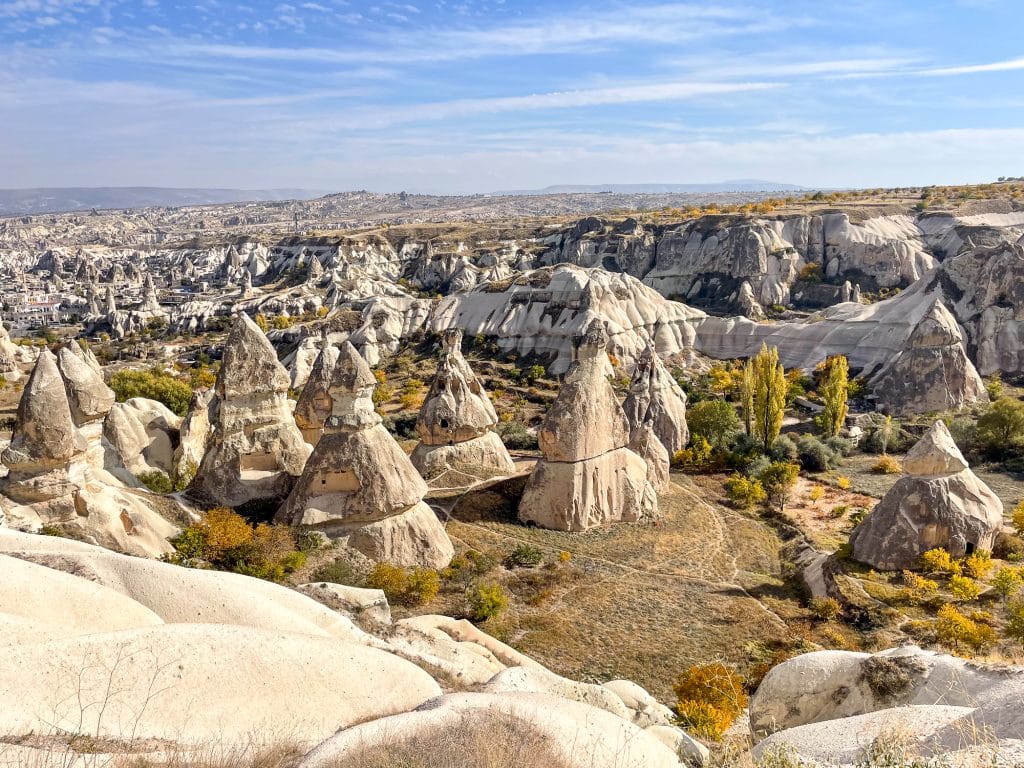
I felt humbled by the vastness of the Cappadocia region. Formed by ancient volcanic eruptions and millennia of erosion, the fairy chimneys—with their animal, human, and whimsical shapes (hello, Love Valley!)—offer dozens of protected sites to explore.
Fortunately, you can enjoy these incredible sights on a relatively small budget thanks to the Cappadocia Museum Pass, which grants access to everything from major museums to protected outdoor areas.
Because most attractions are scattered across the region, any trip here naturally adopts a slow, contemplative pace. You have no choice but to slow down, admire the view, and feel the dust on your fingers as you touch the walls of these geological wonders.
The ingenuity of those who made this rugged land their own
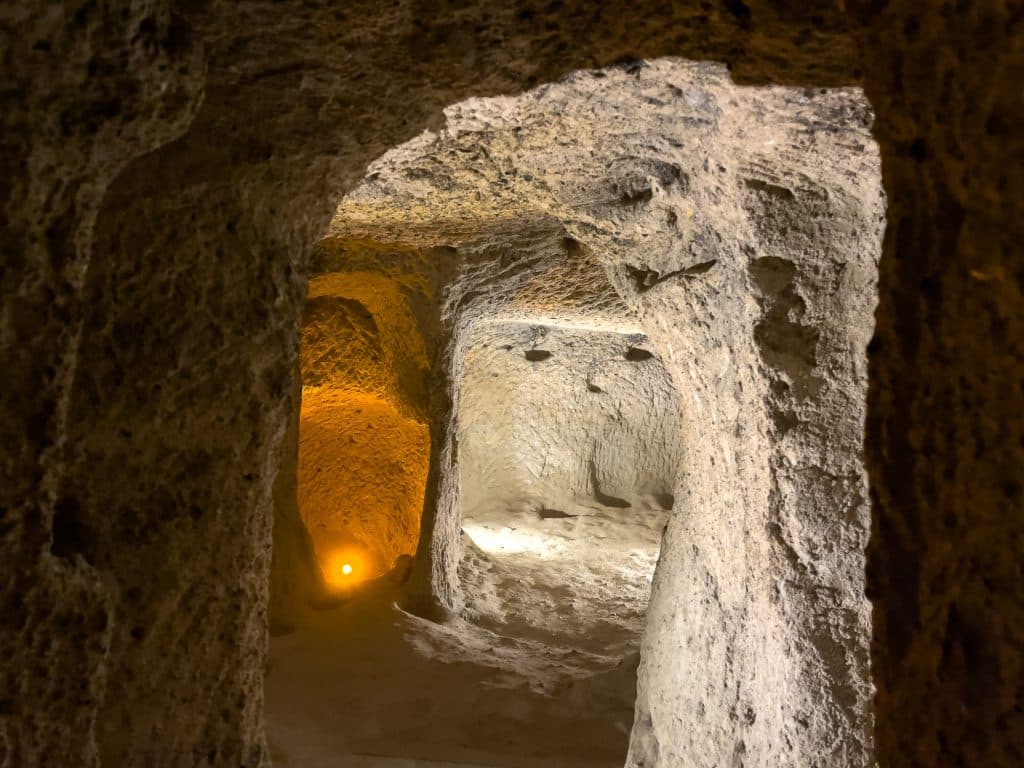
In the buried cities of Derinkuyu and Kaymakli, I was awestruck by the scale of each underground city carved directly into the rock by families of yesteryear. Their organization and ingenuity are astounding, and navigating the narrow tunnels is an adventure in itself—though I wouldn’t recommend it to anyone who is claustrophobic!
Equally impressive are the ancient cave dwelling sites and the millions of pigeon lofts carved into the cliffs. In the past, pigeons were vital as mail carriers, making their survival essential to the community. Seeing these structures still standing thousands of years later deeply moved me.
In northern Cappadocia, the vibrant Byzantine frescoes found in the rock-hewn churches of Göreme and Zelve are breathtaking, especially when you consider the technology available at the time. You can’t help but feel a sense of spirituality here, regardless of your personal beliefs.
Is a hot air balloon ride in Cappadocia worth it and when can you see it?
Long before dawn, I settled into the quiet valleys of Göreme—an open-air museum and UNESCO World Heritage Site—to witness a truly surreal moment. In the absolute silence of the early morning, you are faced with two options when it comes to hot air balloon rides:
- Enjoy the panoramic view from aboard a balloon.
- Watch hundreds of balloons flood the sky flood the aurora sky.
In my opinion, both are among the best things to do in Türkiye, offering a perspective that is equally moving whether you are on the ground or suspended in the air.
As the burners ignite, they create a mythical scenery punctuated by rhythmic bursts of fire in the twilight. Below, the ancient geological wonders and fairy chimneys slowly emerge from the shadows, tinged with vibrant shades of pink, mauve, and orange as the sun rises.
Despite the inherently touristy nature of this experience, trust me and get up early. It’s a once-in-a-lifetime highlight you won’t want to miss.
Practical tips for Cappadocia tours from Istanbul
How to get to Cappadocia from Istanbul?
From Istanbul, you can fly to Cappadocia via Nevşehir (NAV) or Kayseri (ASR) in about 1 hour and 20 minutes. Since driving takes over 9 hours and the bus can take up to 12, I highly recommend flying to save time.
If you’re planning to explore the Türkiye’s metropolis beforehand, get inspired by what Istanbul has to offer.
What is the best time of year to visit?
Generally, spring and autumn are the best times to visit. The temperatures are far more pleasant than during the summer months (which often exceed 35°C), and the weather is usually more stable for ballooning.
Keep in mind that it snows here in the winter, which can limit your hiking options.
How much time should you plan for an itinerary in Cappadocia?
While it’s technically possible to squeeze in a day trip to Cappadocia, I think rushing it would be a mistake. I recommend staying for at least two nights. If you want to have enough time to hike among the fairy chimneys of Paşabağları, taste traditional Turkish cuisine and marvel at Ilhara Valley for example, planning for three or more days in Cappadocia makes for an even better itinerary.
Keep in mind that if you don’t have your own car, hiring a professional guide is the most efficient way to navigate the region and ensure you don’t miss any of the top attractions.
If you’re looking for easier day trips from Istanbul, there are plenty of great options worth considering.
What is the best accommodation?
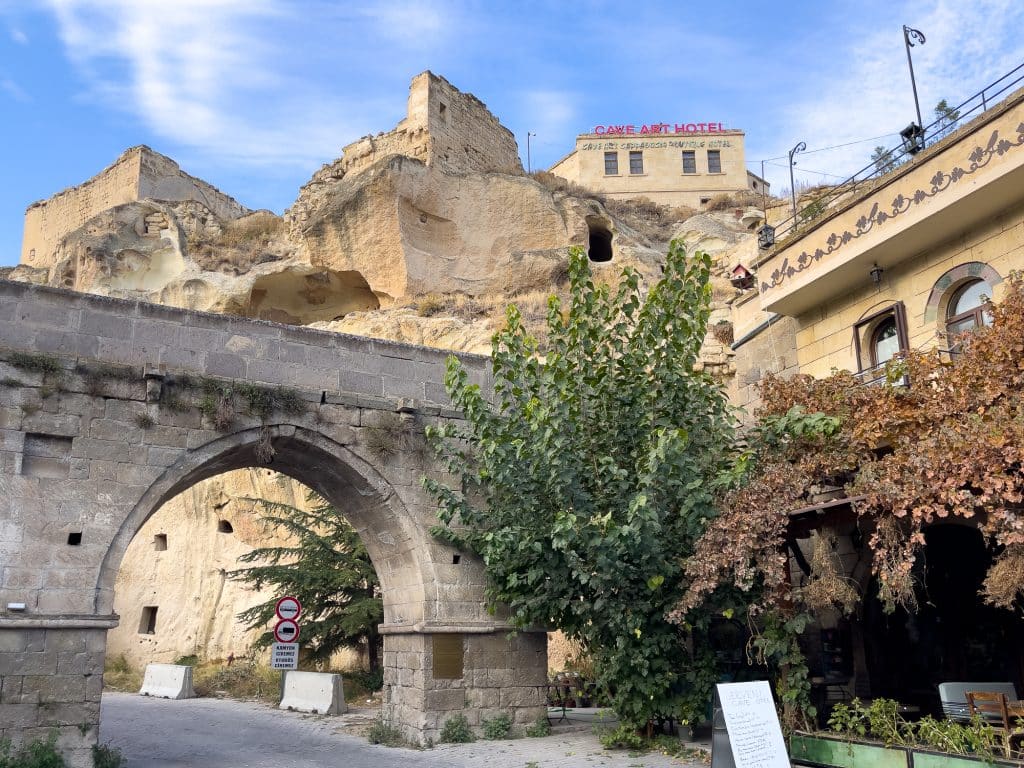
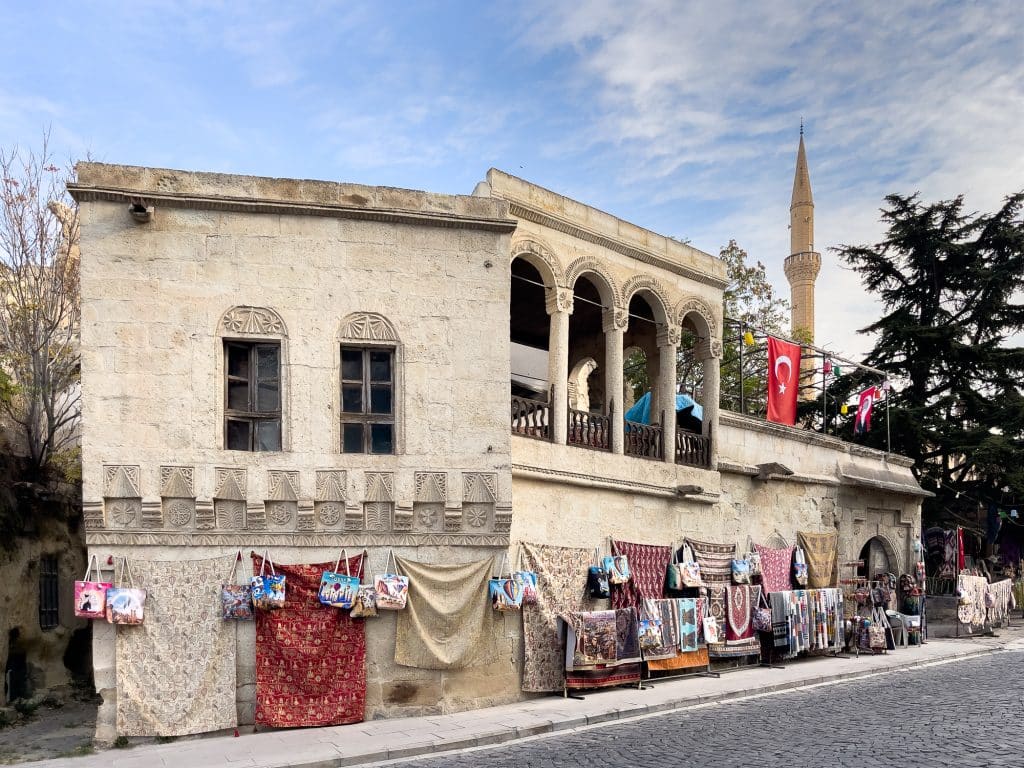
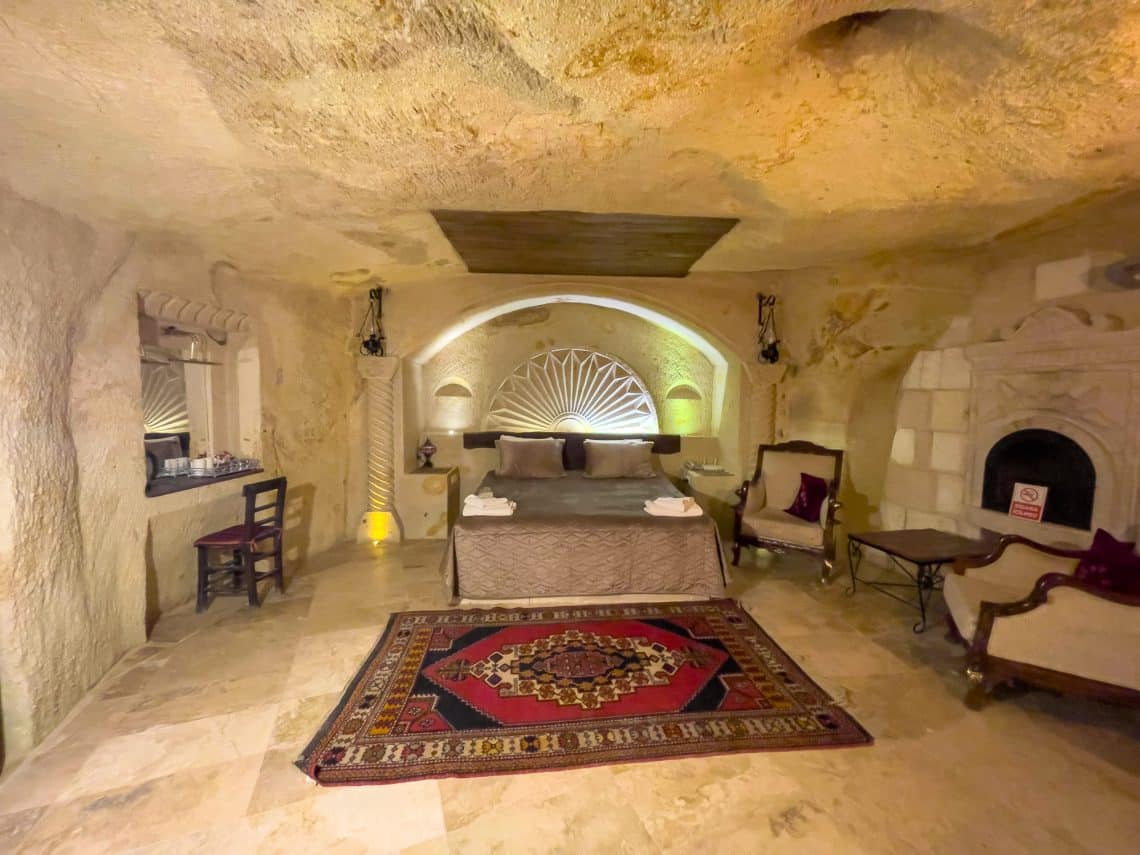
Looking to extend your stay to a couple of days in Türkiye’s Cappadocia? Great idea. You’ll soon find that accommodation in the region is incredibly diverse, with plenty of budget-friendly hotels and luxury stays.
However, the quintessential Cappadocia experience means staying in an ancient cave dwelling. I recommend booking a room carved directly into the rock, where you can sleep in your own private, furnished cavern. The village of Mustafapaşa serves as an excellent base for this type of place.
Beyond the novelty, these stone walls provide a welcome escape from the heat during the summer months and the kind of heavy darkness that guarantees a great night’s sleep. It’s the ideal way to recharge after exploring the spectacular scenery.
All photo credits: Jennifer Doré Dallas