The atmosphere in Rio de Janeiro is absolutely electric. Set to the pulsing beat of samba, carnival-goers have taken over the streets in a playful competition to see who can bare the most skin—with the humble bikini serving as the standard base layer under every costume. Look over here: fake angels, nuns, police officers, and bathers wearing pool floats! Bom dia to extravagant makeup, glitter, tassels, and feathers in every color of the rainbow!
The Rio de Janeiro Carnival is easily one of the biggest parties on the planet. In 2026, it drew eight million revelers throughout February, according to Rio’s City Hall. Deeply rooted in Brazilian culture, it remains a fiercely local affair—which is exactly why you need to experience this once-in-a-lifetime event for yourself! If this is your first time in Rio de Janeiro and your trip happens to coincide with Carnival, here are a few essential tips to ensure you have a great time and get yourself ready.
Samba: the major leagues

Born in its modern form in the 1920s, the carnival of the cidade maravilhosa (Marvelous City) has evolved massively since then. Today, it features hundreds of events, including the famous blocos de rua (street parties) spread out over several weeks. The true heart of the celebration, however, unfolds over just a few days—what we call Carnival Week. Experiencing this week is the ultimate way to dive into Brazilian culture.
At the Sambadrome Marquês de Sapucaí in the heart of Rio de Janeiro, it’s showtime for the samba school parades: first the Série Ouro (the second division), followed by the elite Grupo Especial, and finally the Champions’ Parade, which takes place on the Saturday after Ash Wednesday during the festival’s final days.
For the ultimate festive getaway in Rio de Janeiro, I cannot recommend this combo enough: spend one evening watching the spectacular parades at the stadium, and hit up a few blocos across different neighborhoods.
Understanding the Samba school rankings
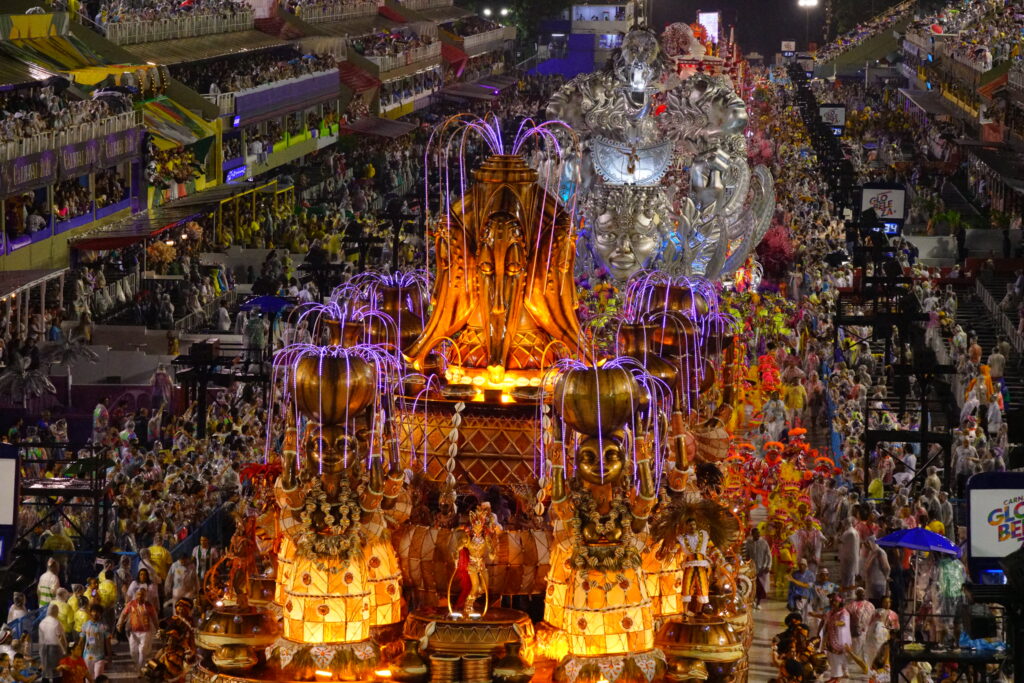
The best way to understand the stakes of Carnival for these samba schools is to think of soccer. Just like sports teams, samba schools in Rio de Janeiro are divided into divisions and ranked based on their performances. Each school is fiercely fighting to climb the ranks—or at least avoid losing their spot.
The lower-division schools hoping to one day reach the Série Ouro and the Grupo Especial hold their parades on Estrada Intendente Magalhães. Since access there is free (unlike the Sambadrome), many locals (Cariocas) consider this to be the most authentic, people-focused side of Carnival. That being said, the absolute crème de la crème of sambistas perform at the iconic stadium designed by Brazilian “starchitect” Oscar Niemeyer, a true landmark of Brazilian culture.
Sambadrome tickets: picking the perfect seats
The Sambadrome is located near Praça Onze, in a neighborhood deeply intertwined with the origins of samba in Rio de Janeiro. Today, it can hold up to 72,500 spectators in concrete grandstands lining a 700-meter-long avenue, culminating at the Apoteose Square (also designed by the modernist architect).
Inside the stadium, you have three ticket options:
- Camarote: The VIP luxury suites (think hockey box suites).
- Frisa: The open-air boxes putting you right up close to the dancers and floats.
- Arquibancada: The grandstand bleachers.
My personal experience in the grandstands was so powerful, swept up by the contagious euphoria of the Cariocas, that I highly recommend it for anyone wanting to experience the true magic of Carnival week. Psst! Sector 9 is a fantastic choice. Not only does it offer an incredible panoramic view of the show, but it also comes with the massive perk of having numbered, reserved seating. Take note of that word “numbered” (marcado)—it means you won’t have to show up hours before the parade starts just to snag a great spot, making this section a very good idea for travelers.
Rio Carnival street parties: finding the best blocos
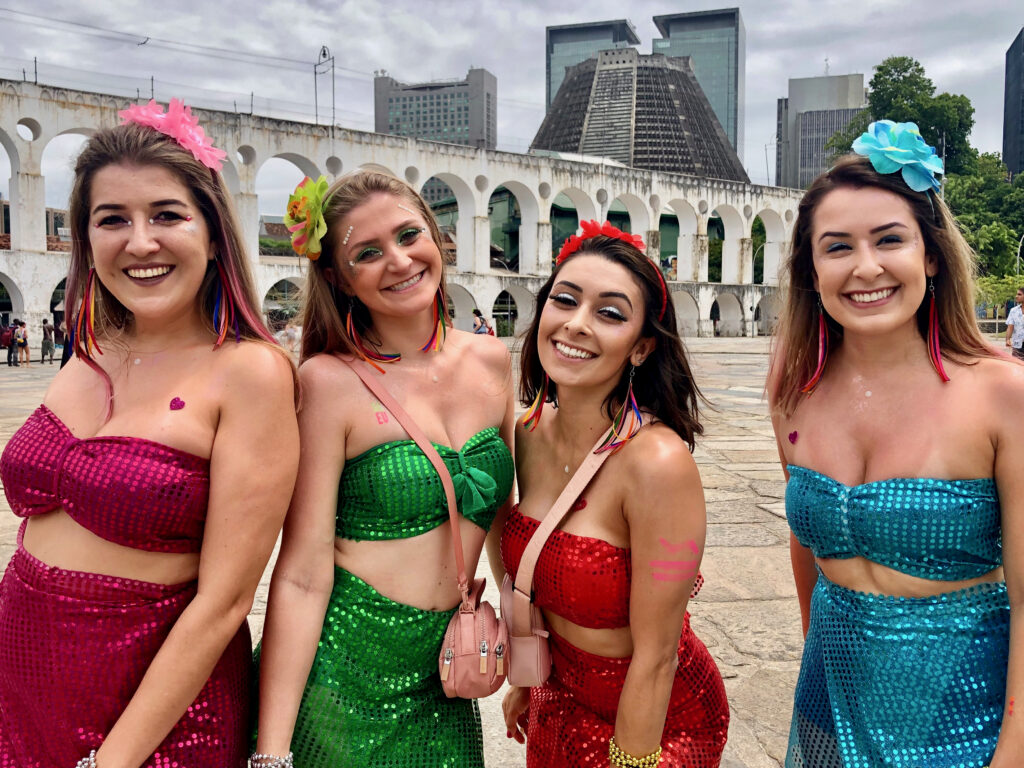

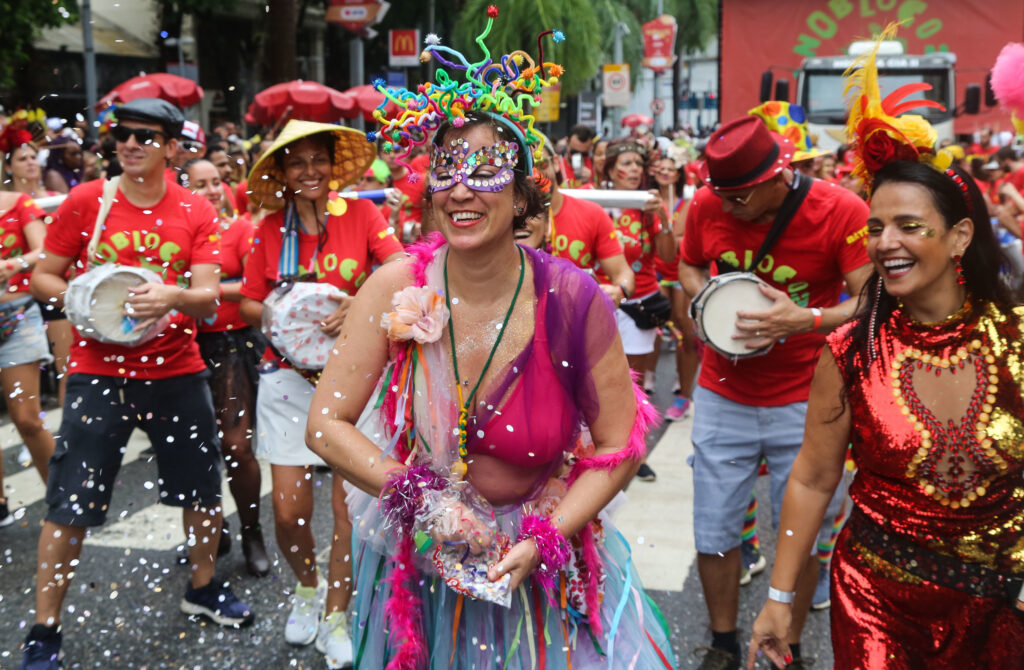
Once you’ve taken in the dazzling sights of the parade, it’s time to hit the streets in search of a secret bloco—an impromptu samba circle with live music popping up in the middle of a crowd or tucked away in an alley. I took a chance on the Lapa neighborhood, and it paid off perfectly! Suddenly, musicians appeared out of nowhere, and we were instantly dancing and sipping caipirinhas. Pure bliss!
Ipanema and Copacabana are also great spots to stumble upon these dreamy little street parties.
On the complete opposite end of the Carnival glamour spectrum, of course, is the grand Copa Magic Ball at the legendary Copacabana Palace—a lavish, swanky affair dripping with magic that shows a completely different side of Rio de Janeiro. A quick tip for fans of iconic hotels: writer Francisca Mattéoli, who lived in Brazil for years, dedicated a gorgeous book to the hotel, featuring an entire chapter on this prestigious ball.
Rio Carnival 2027: useful travel tips
When is Carnival in Brazil?
- In the streets of Rio (blocos): Starting January 16
- At the Sambadrome (Série Ouro parades): February 5 and 6
- At the Sambadrome (Grupo Especial parades): February 7, 8, and 9
- At the Sambadrome (Champions’ Parade): February 13
What is the dress code for the Rio Carnival?
During Carnival week, do as the Cariocas do: dress as light as possible, and let the city’s festive vibe do the rest! A fanny pack (bum bag) carrying only the absolute bare minimum is essential. But here is the trick: don’t wear it around your waist. Wear it crossbody, flat against your chest, so you can keep an eye on your belongings at all times.
Is it safe to attend Carnival in Rio?
It’s a complex topic. On one hand, the city does have a reputation, and the Canadian government recommends exercising “a high degree of caution” throughout the country. On the other hand, there is no need to panic—just apply some solid common sense. Carnival or not, avoid wandering into less secure neighborhoods. Never wear flashy valuables. Keep a close grip on your phone at all times. And never walk around on foot at night.
Perhaps the biggest risk during Carnival is simply lowering your guard, as the massively crowded streets can create a false sense of security. Stay aware of your surroundings!
Where to stay in Rio de Janeiro for Carnival
Ideally, look for accommodations in one of these three Rio neighborhoods:
- Ipanema: Chic and trendy.
- Copacabana: Bustling and dynamic.
- Centro: The historic heart of the city, home to Confeitaria Colombo, the fabulous Museum of Tomorrow (Museu do Amanhã), and the famous Kobra murals near the port. It’s also the closest neighborhood to the Sambadrome and Lapa.
Alternatively, Arpoador—a lovely spot tucked right between Ipanema and Copacabana—is another excellent option.
During the day, get around on foot or use public transit (yes, there is a metro, and it conveniently serves both Copacabana and Ipanema). At night, strictly take taxis. The official Rio Taxis (yellow cars with a blue stripe) have a dedicated app that identifies your driver and tracks your ride in real time. Unlike Uber, an SOS button is planned for the app, though it isn’t fully available just yet.